Managing Gen Z in a Remote Work Environment: Why Ping-Pong Tables No Longer Matter
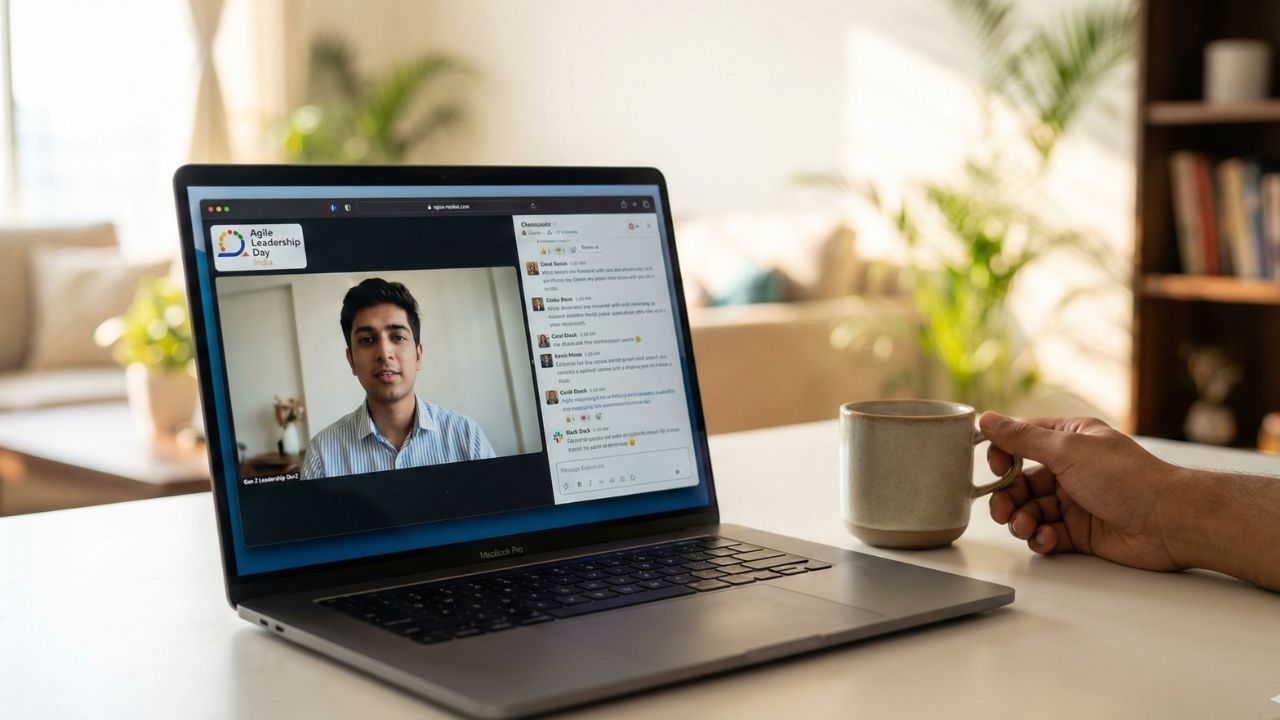
- Values over Perks: Gen Z ignores "virtual pizza parties"; they demand clear ethical values and mental health support.
- The Feedback Loop: Annual reviews are dead. This generation requires rapid, micro-feedback (weekly or bi-weekly) to feel secure.
- Digital Isolation: Being "digital natives" does not make them immune to loneliness; they are actually the most at-risk demographic for remote isolation.
- Structure is Safety: Unlike Millennials who crave autonomy, early-career Gen Z staff need explicit "guardrails" and documentation to succeed remotely.
- The "Side Hustle" Reality: Transparency about side projects creates trust; banning them creates "quiet quitting."
The Generational Shift in Remote Work
You cannot manage a 22-year-old in 2026 the same way you managed a 40-year-old in 2015.
While older generations often view remote work as a way to balance childcare or avoid commutes, Gen Z views it as a baseline requirement for mental health. However, managing Gen Z in a remote work environment presents a unique paradox.
They are the most tech-savvy generation, yet they struggle the most with the lack of structure in hybrid models. Note: This deep dive is part of our extensive guide on Work From Anywhere Policy India.
Why the "Cool Office" Vibe Fails Online
In the past, companies relied on ping-pong tables and free snacks to retain young talent. In a distributed world, those perks are invisible.
Gen Z detects "corporate fluff" instantly. If you try to replace meaningful culture with a "Zoom Happy Hour," they will disengage. Instead of performative fun, focus on radical transparency and career mobility.
Strategy 1: The "Micro-Mentorship" Model
The biggest casualty of remote work for juniors is "osmosis"—learning by simply watching seniors work. Without sitting next to a mentor, Gen Z employees often feel lost and stall in their development.
The Fix: Shadowing Sessions
Do not just assign tasks. Invite them to "shadow" you on a complex call with the camera off, just to listen. Dedicate the last 5 minutes of your 1:1s strictly to "career pathing," not project updates.
This connects directly to building a supportive environment. For more on creating safe spaces for juniors, read our guide on How to Build Psychological Safety in Hybrid Teams.
Strategy 2: Rethinking Feedback Frequency
If you wait 6 months to give a Gen Z employee feedback, they might already have "quiet quit." This generation grew up with instant gratification (likes, comments, views). Silence from a manager is often interpreted as disapproval.
Actionable Steps:
- Weekly Pulses: A 15-minute check-in is superior to a 1-hour monthly meeting.
- Async Praise: Use public Slack channels to celebrate small wins immediately.
Strategy 3: Combatting the "Always-On" Burnout
Surprisingly, Gen Z struggles deeply with disconnecting. Because they work where they sleep (often in shared apartments or bedrooms), the boundary is blurred. Managing Gen Z in a remote work environment requires you to enforce "offline" time.
Set a hard rule: No non-urgent Slacks after 6 PM. Model this behavior yourself. If you email at midnight, they will feel pressured to reply at midnight.
If your team is struggling to focus, you may need to implement the strategies found in How to Implement Deep Work in Hybrid Teams.
FAQ: Troubleshooting Gen Z Retention
They look for flexibility, mental health benefits, and ethical alignment. They want to know why their work matters, not just what to do.
Formalize it. Don't leave it to chance. Assign a "buddy" outside of their direct reporting line for informal questions, and schedule recurring "career architecture" sessions.
They often lack a dedicated home office, meaning they work from their relaxation space. Combined with "imposter syndrome" and a need to prove themselves, they overwork to compensate for visibility.
Pre-boarding is critical. Send equipment early. Create a digital "handbook" that explains unwritten rules (e.g., "Is it okay to use emojis in client emails?").
They view work as a subset of life, not the other way around. They expect "async-first" communication that allows them to design their day around personal energy peaks.
Be direct but empathetic. Focus on the code, not the person. Use screen-sharing to walk through the "why" behind the feedback rather than just leaving comments on a Pull Request.
Yes. They miss the social friction of the office. Leaders must engineer social interactions that are not "forced fun," such as interest-based Slack channels (e.g., #gaming, #pets).
Slack/Teams for almost everything. Email is seen as formal and slow. However, important instructions should still be documented in a wiki (like Notion) so they can reference it later.
Quiet quitting is a response to a lack of engagement. Re-align their tasks with their interests. Ask: "What is one project you'd love to lead?" Give them ownership.
Stipends for co-working spaces (to escape their bedroom), therapy/mental health apps, and "work from anywhere" weeks where they can travel while working.
Conclusion
Success in managing Gen Z in a remote work environment is not about being "trendy." It is about providing the psychological scaffolding that allows young talent to do their best work.
If you can replace the ping-pong table with genuine mentorship, and the free beer with clear career paths, you will not just retain Gen Z—you will be propelled by them.
Next Step: Are you ready to build a culture that scales across all generations? Read our blueprint on How to Build Remote Company Culture from Scratch.
Sources and References
- Authority Gap: Gen Z retention vs. General Remote Work
- Page Title: Managing Gen Z in a Remote Work Environment
- Pillar Link: Work From Anywhere Policy India
- Neighbor Link: How to Build Psychological Safety in Hybrid Teams
- Neighbor Link: How to Implement Deep Work in Hybrid Teams
- Neighbor Link: How to Build Remote Company Culture from Scratch