How to Build Remote Company Culture from Scratch: Lessons from the World’s Best All-Remote Firms
- Culture is Documentation: In remote teams, your culture is defined by what you write down, not what you say at the watercooler.
- Kill the "Zoom Happy Hour": Forced fun creates fatigue. Switch to interest-based clubs and optional social co-working hours.
- Async Recognition: Praise must be public and written (e.g., "Kudos" channels) to be visible to the whole company.
- The Onboarding "Golden Hour": The first week defines the cultural imprint. Use a "buddy system" to bridge the isolation gap.
- Rituals over Perks: Replace the ping-pong table with consistent rituals like "Failure Parties" or "Show and Tell" demos.
The Myth of the Office Vibe
Most leaders mistake "culture" for "proximity." They believe that if everyone sits in the same room, culture happens by osmosis. In a distributed world, osmosis is dead.
If you rely on accidental interactions, your culture will erode into isolation and transactional silence. To learn how to build remote company culture from scratch, you must shift from implicit vibes to explicit design. You cannot just "have" a culture; you must build it like a product.
Note: This deep dive is part of our extensive guide on Asynchronous Communication Strategies.
Strategy 1: The "Handbook-First" Philosophy
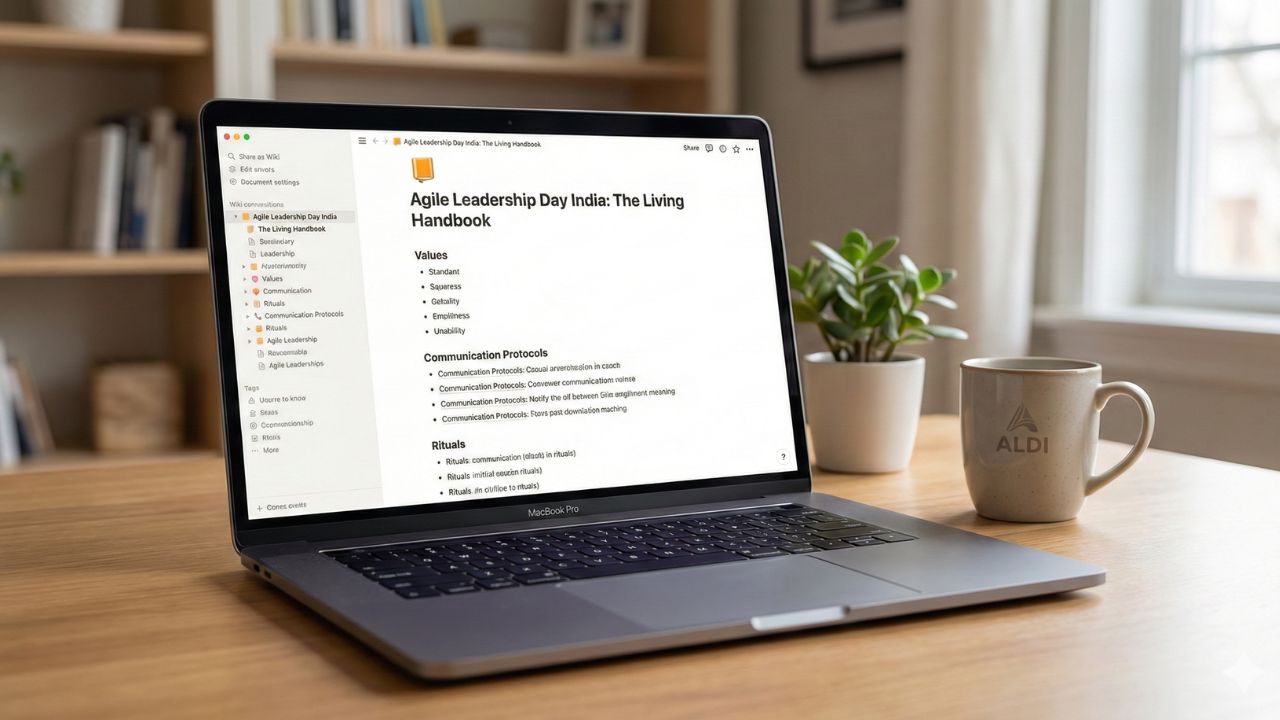
The most successful all-remote companies (like GitLab or Automattic) operate on a simple rule: If it isn't written down, it doesn't exist. In an office, you can tap a colleague on the shoulder to ask how to file an expense report.
In a remote team, that tap is a distraction. Actionable Step: Build a "Living Handbook." This is not a dusty PDF. It is a searchable wiki (using Notion or Confluence) that documents:
- Values: How we make decisions when the boss isn't online.
- Communication Protocols: When to use Slack vs. Email.
- Rituals: How we celebrate birthdays or launch days.
This documentation creates safety. If you are struggling to get your team to open up, refer to our guide on How to Build Psychological Safety in Hybrid Teams.
Strategy 2: Intentional vs. Forced Socializing
Nothing kills culture faster than a mandatory "Zoom Happy Hour" at 5 PM on a Friday. Remote employees do not want more screen time; they want genuine connection.
The Fix: Interest-Based Channels. Create Slack/Teams channels dedicated to non-work hobbies: #pets-of-company, #gamers-unite, or #cooking-club.
This allows organic connections to form across departments. This is particularly critical for younger staff. For more on this demographic, read Managing Gen Z in a Remote-First World.
Strategy 3: The "Feedback Loop" of Recognition
In an office, a "High Five" is visible. On Slack, a private "good job" DM is invisible to the rest of the team. How to build remote company culture from scratch requires public recognition.
The "Kudos" Channel: A dedicated space where anyone can publicly thank a colleague. The Weekly Win: Dedicate the first 10 minutes of your All-Hands meeting to shouting out specific wins from the week.
FAQ: Troubleshooting Remote Culture
Yes. Culture is a shared set of values and behaviors, not a physical space. It exists in how you speak to each other, how you handle conflict, and how you celebrate success.
Focus on low-pressure activities: Virtual Escape Rooms, "Among Us" gaming sessions, or "Coffee Roulette" (random 15-minute pairings) are far superior to awkward icebreakers.
Start small. Document one process per week. Reward people who answer questions with a link to the handbook rather than typing out the answer again.
Assign an "Onboarding Buddy" from a different department. Schedule daily check-ins for the first two weeks. Send a physical "Welcome Kit" (swag, headphones) to their home to create a tangible connection.
The biggest failure is "knowledge hoarding" (keeping info in DMs) and "status hierarchy" (where those closer to the boss get better projects).
Send physical gifts (cookies, books) to their home. Use a tool like Bonusly to let peers send micro-bonuses to each other.
Rarely. It usually devolves into one person talking while 10 others listen. Breakout rooms or structured games are better.
Automate it. Use a Slack bot that prompts team members on Fridays: "Who helped you out this week?"
It is cheaper (no real estate), but it requires a higher investment in "offsite" retreats. You should budget for bringing the whole team together physically 1-2 times a year.
Record every meeting. Ensure that decision-making happens asynchronously so that someone in Tokyo isn't excluded because they were asleep during the NYC meeting.
Conclusion
You cannot copy-paste your office culture into Zoom. Learning how to build remote company culture from scratch requires you to be an architect of experience.
You must replace the watercooler with the Wiki, and the happy hour with the hobby channel. If you build it intentionally, your remote culture will be stronger than any office ever was—because it is built on trust, not geography.
Next Step: Now that you have the culture, you need to protect the work. Read our blueprint on How to Implement Deep Work in Hybrid Teams to stop the distractions.