Hybrid Agile Work-Life Balance: Stopping the AI Burnout
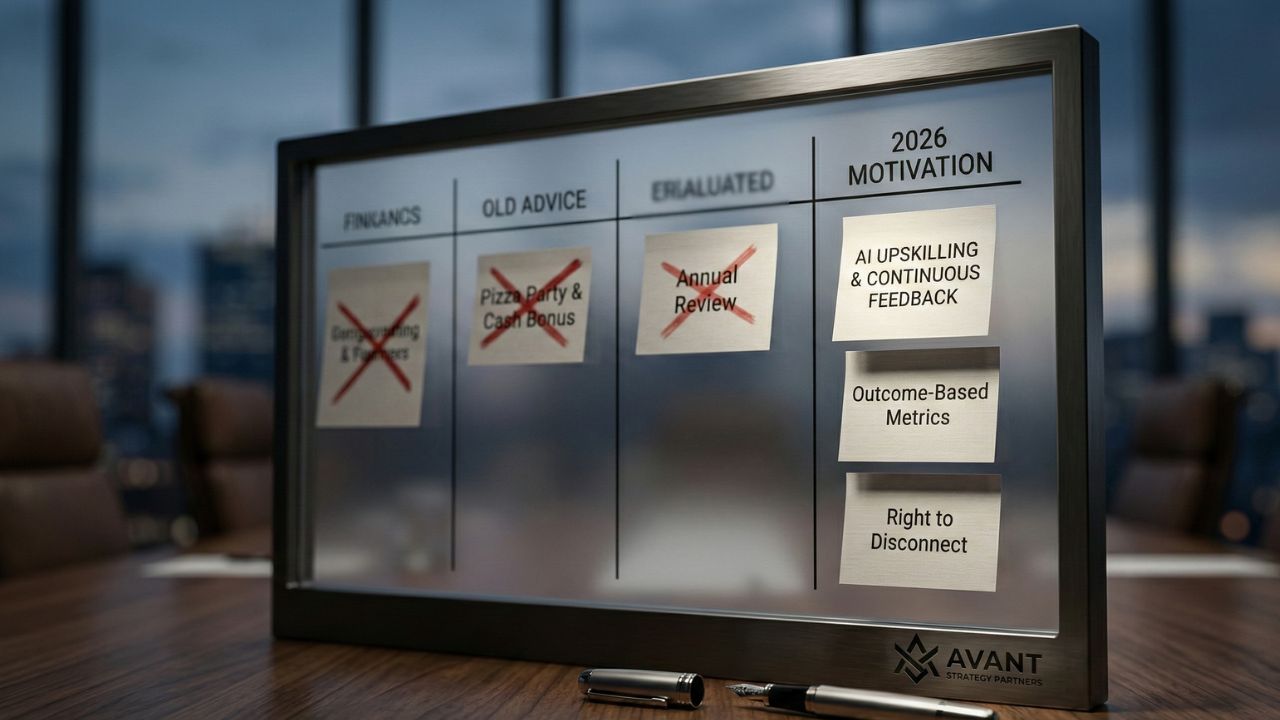
- AI never sleeps, but humans must: Setting firm boundaries with digital co-workers is non-negotiable for mental health.
- Asynchronous is the cure: Stop expecting instant replies in a modern, distributed environment.
- Burnout is a leadership failure: Managers must actively enforce downtime rather than glorifying the hustle.
- Output over hours: Value the actual results your team produces, not their green status indicator.
Don't let your digital coworkers burn out your human talent.
Master work life balance in hybrid agile teams to prevent 2026's toxic 'always-on' culture.
AI agents and automated workflows can operate 24/7, but expecting your human workforce to match that relentless digital pace is a recipe for disaster.
This deep dive is part of our extensive guide to detox your hybrid workplace in The Great Detox: How Agile Leadership Cures a Toxic Work Culture. Let's explore how to protect your team's sanity in an era of hyper-connectivity.
Deep Dive: Protecting Human Talent in a Digital Era
The transition to a highly automated environment brings incredible efficiencies, but it simultaneously introduces new psychological pressures on human workers.
The Myth of Infinite Productivity
The idea that technology would drastically reduce working hours has not materialized for many teams. Instead, it has simply shifted the nature of the work.
When tedious tasks vanish, what remains is continuous, high-level problem solving that drains mental reserves much faster than traditional busywork.
The "Always-On" Trap
When AI tools handle routine busywork, human employees are left exclusively with complex, deep-thinking tasks.
This dense cognitive load is incredibly draining. Expecting team members to remain constantly available on chat platforms while executing deep work guarantees rapid digital exhaustion.
To truly optimize your workforce, you must shift your focus toward outcome-based performance rather than measuring desk hours.
To update your metrics, explore our guide on setting agile smart goals 2026.
Enforcing the Right to Disconnect
If your company culture implicitly rewards answering emails at midnight, you are breeding a toxic work environment.
Leaders must explicitly establish core working hours and actively enforce a "right to disconnect" policy for all hybrid employees.
Actionable steps to protect boundaries:
- Schedule messages to send only during the recipient's local working hours.
- Mandate "no-meeting" days to allow for uninterrupted focus.
- Publicly praise employees who successfully detach and recharge offline.
Treating AI as a Tool, Not a Pacesetter
Your autonomous agents will constantly generate new data, insights, and tasks.
Humans cannot and should not process this endless stream in real-time.
Train your team to manage their AI assistants asynchronously. They should batch-review AI outputs at scheduled intervals rather than reacting to every automated notification.
If you want to understand why legacy management approaches are failing to address these modern stressors, read our breakdown on the 8 ways to motivate your team 2026.

Frequently Asked Questions (FAQ)
Prioritize asynchronous communication, establish strict core hours for live collaboration, and measure performance by tangible results instead of online visibility.
The constant pressure to appear "online," endless notification pings from AI agents, and the erosion of physical boundaries between the home and the office.
Mute all automated notifications after hours and schedule specific, time-boxed blocks during the workday to review AI-generated tasks and data insights.
The most effective policies mandate a strict "right to disconnect," provide stipends for ergonomic home offices, and lean heavily into outcome-based evaluations.
They utilize sustainable sprint pacing, conduct honest retrospective meetings to gauge human energy levels, and refuse to let AI speeds dictate human capacity.
Conclusion
Protecting your team from digital exhaustion is the most critical leadership challenge of this decade.
True work life balance in hybrid agile environments requires intentional, structural boundaries to fight back against an always-on culture.
Defend your team's downtime fiercely, and their innovative productivity will naturally soar.
Sources & References
- Internal Source: The Great Detox: How Agile Leadership Cures a Toxic Work Culture
- Internal Source: Agile SMART Goals 2026: Aligning Human Teams with AI Agents
- Internal Source: 8 Ways to Motivate Your Team in 2026: Why Old Advice Fails
- External Reference: World Economic Forum. (2025). Mental Health in the Automated Workplace: The New Corporate Mandate.
- External Reference: Harvard Business Review. (2025). The Right to Disconnect: Asynchronous Policies for the AI Era.