8 Ways to Motivate Your Team in 2026: Why Old Advice Fails
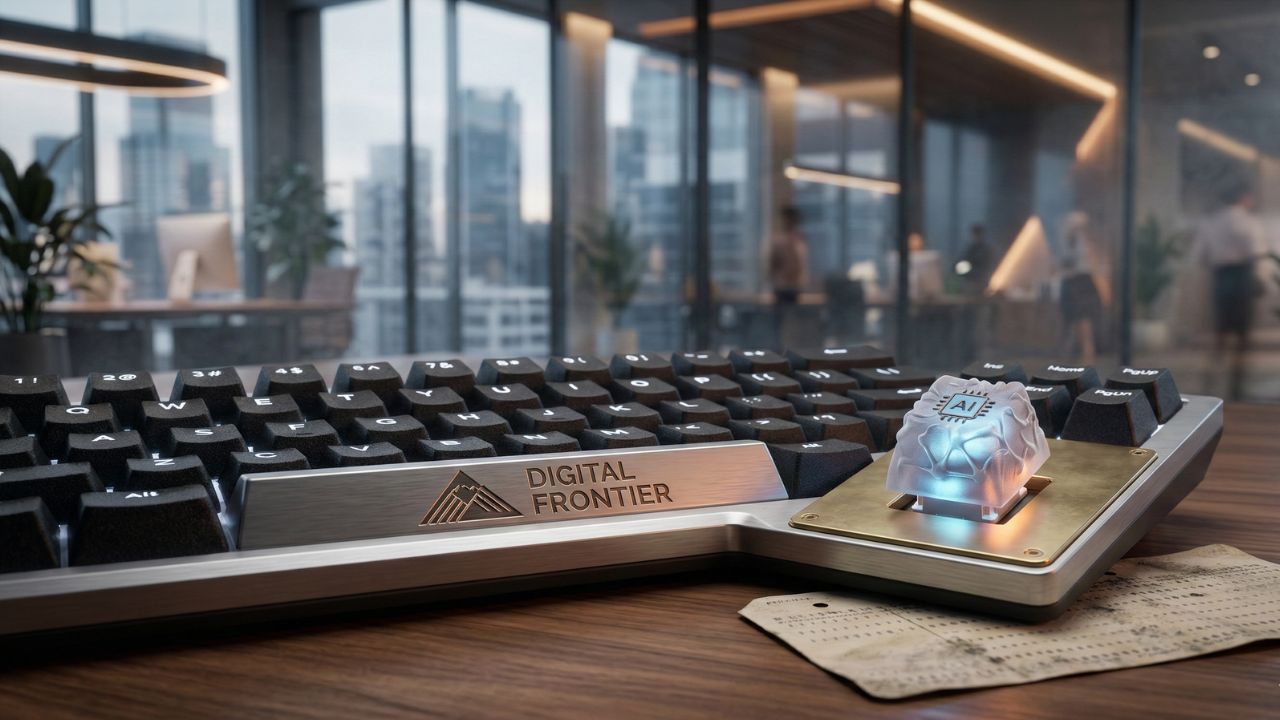
- Pizza parties are dead: Superficial perks no longer drive employee loyalty or engagement.
- AI anxiety is real: Failing to address the digital elephant in the room crushes team morale.
- Upskilling is the new currency: Employees crave future-proof skills over standard cash bonuses.
- Agile leadership wins: Rigid, top-down management structures are failing modern, hybrid workforces.
- Transparency builds trust: Honest communication about company goals and AI integration is non-negotiable.
If you are frantically searching for the 8 ways to motivate your team 2026, it's time to throw out the old management playbooks.
The traditional strategies of the past decade are completely misaligned with today's workforce realities.
This deep dive is part of our extensive guide on curing a toxic work culture, titled The Great Detox: How Agile Leadership Cures a Toxic Work Culture.
To retain top talent in an AI workforce, you must upgrade your leadership approach immediately. Let's break down exactly why old advice is falling flat and what you should be doing instead.
Deep Dive: Upgrading Your Leadership for 2026
Old frameworks simply do not apply to the modern agile workspace. To foster genuine motivation, leaders need to adapt their core strategies.
1. Stop Promising "Standard" Career Ladders
Old advice told managers to map out a rigid 5-year trajectory for new hires. In 2026, roles evolve too quickly for static career paths.
Instead, focus on providing dynamic Job Security in an AI Workforce.
This is the ultimate team motivator because it addresses their core anxieties directly.
2. Ditch the Generic Cash Bonus
While fair compensation is mandatory, tossing a small annual bonus at a burned-out employee won't fix morale.
Forward-thinking leaders are leveraging AI Upskilling as Employee Reward.
Providing access to cutting-edge training goes beyond simple compensation, proving you value their long-term growth.
3. Erase "Always-On" Expectations
Pre-2020 culture glorified the hustle. Today, expecting immediate replies at 9 PM leads straight to turnover.
Healthy Hybrid agile work-life balance must be enforced from the top down.
Leaders must model healthy detachment to prevent digital burnout.
4. Replace Annual Reviews with Continuous Feedback
Saving feedback for a high-pressure December meeting is a relic of the past.
Modern motivation requires weekly, low-stakes alignment check-ins. Praise should be immediate, and course corrections should be gentle and swift.
5. Emphasize "Why" Over "What"
Delegating tasks without context turns employees into task-rabbits.
When you explain the why behind a project, you invite your team to become strategic partners.
This psychological ownership drastically increases output quality.
6. Mandate Meaningful Face-to-Face Time
Remote work is incredible for deep focus, but isolation kills team cohesion.
Whether virtual or physical, mandate time for unstructured, non-work conversations.
Build psychological safety by showing you care about them as humans, not just resources.
7. Celebrate Smart Failures
Punishing honest mistakes creates a culture of fear and stifles innovation.
To motivate your team, publicly celebrate the lessons learned from failed experiments.
Agile leadership thrives on rapid iteration and learning.
8. Lead with Extreme Transparency
Information hoarding used to be a power play for insecure managers.
Today, transparency is the baseline for respect. Share company financials, AI integration plans, and strategic shifts openly to maintain trust.

Frequently Asked Questions (FAQ)
You motivate them by providing psychological safety, prioritizing meaningful upskilling, and ditching outdated, superficial perks in favor of genuine support.
Focus on asynchronous flexibility, outcome-based performance metrics rather than hours logged, and consistent, transparent communication.
They fail because they attempt to use physical rewards (like office snacks) to solve complex psychological needs (like job security in a rapidly shifting technological landscape).
Acknowledge the fear surrounding automation, involve employees in AI implementation, and position new tools as digital assistants rather than human replacements.
Guaranteeing long-term relevance. When you actively invest in making your employees highly skilled and competitive, their motivation naturally skyrockets.
Conclusion
Mastering the 8 ways to motivate your team 2026 isn't about finding a magic productivity hack.
It requires a fundamental shift away from outdated management tropes toward empathetic, agile leadership.
By prioritizing strategic upskilling and honest communication, you can build a resilient, highly motivated workforce ready to tackle the future.
Sources & References
- Internal Source: The Great Detox: How Agile Leadership Cures a Toxic Work Culture
- Internal Source: Job Security in an AI Workforce: The Ultimate Team Motivator
- Internal Source: AI Upskilling as Employee Reward: Beyond Simple Compensation
- External Reference: Gallup. (2025). State of the Global Workplace: AI and Employee Engagement Trends.
- External Reference: Harvard Business Review. (2025). Why Upskilling is the New Cornerstone of Employee Retention.