Wrapping Legacy Banking Systems in AI Reasoning Layers: No "Rip-and-Replace" Required
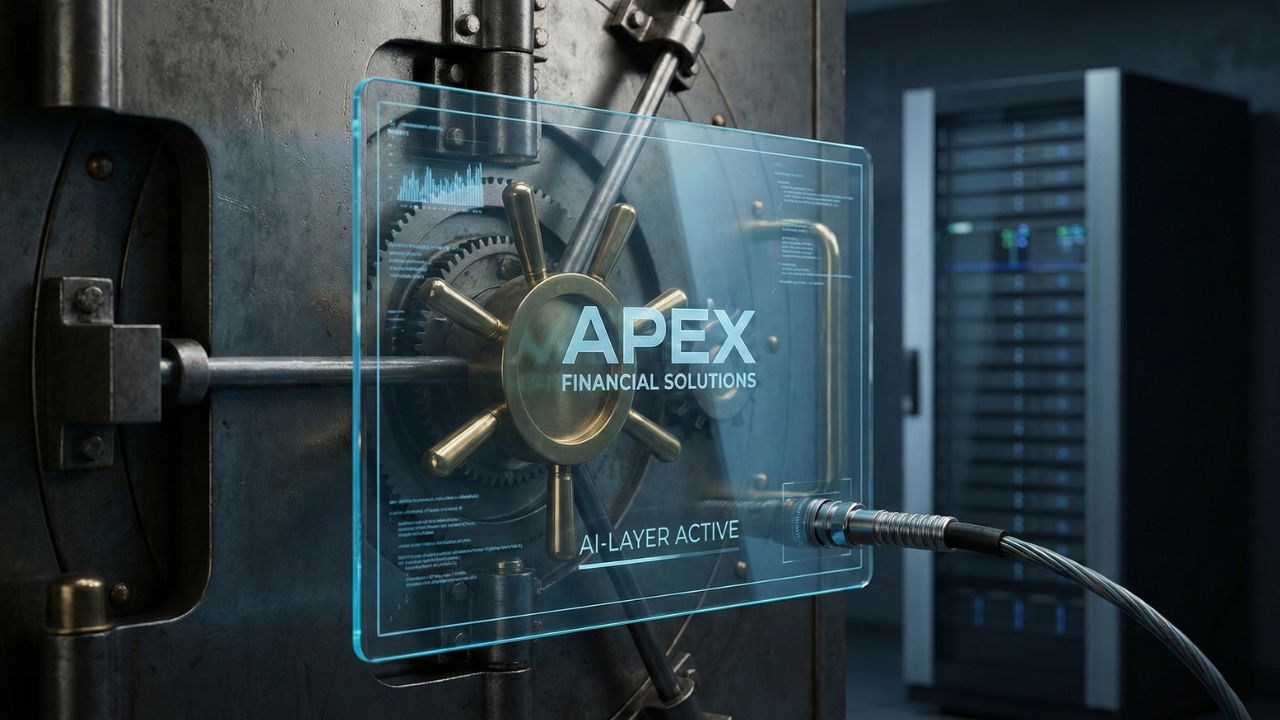
- You can extract years of hidden data value from your mainframe without a costly infrastructure overhaul.
- An intelligent AI layer acts as a bridge, preventing the high risks associated with a full system replacement.
- "Non-invasive" integrations safely connect modern generative models to dormant banking data.
- Smart implementation allows banks to modernize customer service and fraud detection instantly.
Introduction to Non-Invasive Modernization
Financial institutions are sitting on decades of highly valuable, yet inaccessible, customer data. The secret to unlocking this wealth of information is wrapping legacy banking systems in ai reasoning layers.
This deep dive is part of our extensive guide on how to lead a client through ai transformation. By adopting an intelligent overlay, you avoid breaking the core.
You can successfully extract years of hidden data value from your mainframe without a costly infrastructure overhaul. This "non-invasive" integration approach is transforming the financial sector in 2026.
The Power of the Intelligent AI Layer
A massive "rip-and-replace" IT project is a financial institution's worst nightmare. It introduces severe operational risks, downtime, and massive capital expenditure.
Instead, an agentic AI modernization approach introduces a protective, intelligent buffer. This buffer seamlessly reads and interacts with the mainframe without altering its foundational code.
Key benefits of an AI reasoning layer:
- Speed to Market: Deploy AI capabilities in weeks, not years.
- Risk Mitigation: The legacy core remains intact and secure.
- Data Activation: Instantly utilize dormant data for advanced analytics.
Connecting Mainframes to Generative AI
Bridging the gap between mainframe and generative AI requires strategic middleware. Tools like SAP BTP AI Core or SAP Event Mesh can facilitate this connection.
Before deploying these tools, you must know how to spot agentic opportunities in legacy tech systems. Identifying the right bottlenecks ensures your AI layer delivers immediate ROI.
Once identified, consultants can use the consultant’s ai sales playbook for legacy tech to build a compelling business case for leadership.
Advanced Security and Access Control
When dealing with financial infrastructure, security cannot be an afterthought. What are the security risks of AI layers on legacy data?
If not properly configured, an AI agent could expose sensitive customer information. To prevent this, banks must implement strict role-based access for AI agents.
Agents must operate with the exact same data restrictions as a human employee. This ensures compliance while maintaining the speed of autonomous processing.

Frequently Asked Questions (FAQ)
An "intelligent AI layer" acts as a smart middleware that connects modern AI tools to older banking mainframes, enabling advanced data processing without altering the underlying code.
You can modernize customer service by deploying AI agents that pull real-time insights from legacy databases to assist support representatives, ensuring the core system remains untouched.
Yes, AI agents can integrate with legacy SAP environments through secure, API-driven reasoning layers that translate old data formats into modern, usable insights.
These are modern integration and event-driven architectures designed to help businesses connect AI models securely with their existing SAP enterprise data.
You can extract dormant data by using AI reasoning layers equipped with data-mining capabilities to index, categorize, and pull insights from previously isolated legacy silos.
The primary security risks involve unauthorized data access, potential data leaks through generative model outputs, and non-compliance with strict financial privacy regulations.
Role-based access is implemented by assigning specific identity credentials and permissions to each AI agent, restricting their data retrieval to only what is necessary for their specific task.
Absolutely. AI reasoning layers can analyze historical and real-time transaction data much faster than legacy systems, spotting complex fraud patterns instantly.
Real-time APIs can connect the AI reasoning layer directly to the database, automatically updating and synchronizing delayed records across multiple siloed systems instantly.
A "non-invasive" approach means adding new capabilities on top of existing infrastructure without modifying, pausing, or replacing the original, mission-critical legacy code.
Conclusion
Modernizing a financial institution doesn't require a dangerous system overhaul. By wrapping legacy banking systems in ai reasoning layers, you create a secure, high-speed bridge to the future.
This strategic approach allows consultants and IT leaders to deliver massive value rapidly. Start mapping your dormant data today, and build the intelligent layers that will power your bank's next decade of growth.
Would you like me to generate a checklist to help you audit your current legacy systems for AI readiness?
Sources & References
- Parent Guide: How to Lead a Client Through AI Transformation: The Strategic Consultant's 2026 Roadmap.
- Neighbor Guide: How to spot agentic opportunities in legacy tech systems.
- Neighbor Guide: Consultant’s ai sales playbook for legacy tech.
- External Reference: IBM Institute for Business Value: The AI-Powered Bank (2025).
- External Reference: Gartner Magic Quadrant for Enterprise Integration Platform as a Service (2025).