The C.AI Age Verification Bypass Truth NIST Hides (Mar 2026)
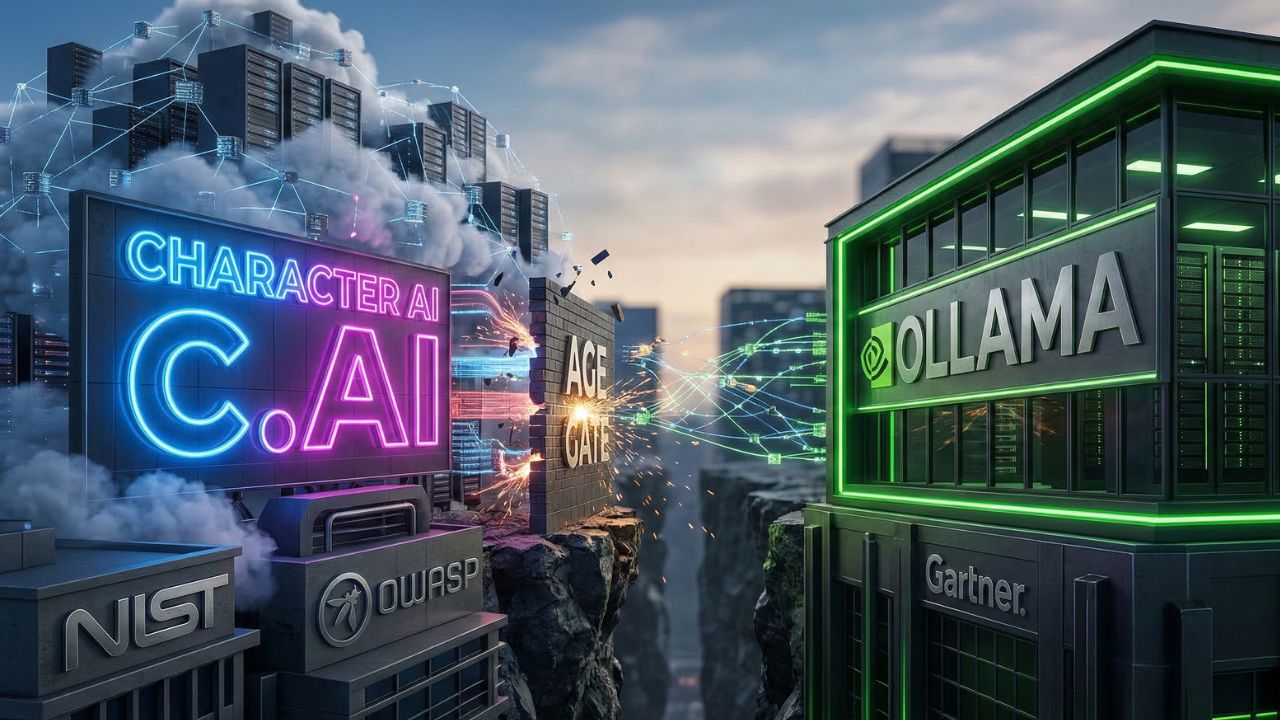
- Seeking a c.ai age verification bypass exposes your enterprise to severe intellectual property theft and data leaks.
- Consumer AI workarounds completely destroy your enterprise data sovereignty and violate core compliance frameworks.
- Agile leaders must pivot from risky consumer tools to secure, dedicated open-source models to maintain development velocity.
- Implementing local AI hosting and sovereign AI infrastructure eliminates the need for unauthorized public cloud workarounds.
- True data privacy requires unfiltered, private enterprise AI platforms rather than breaking consumer chatbots.
Agile development teams and digital marketing departments are under immense pressure to deliver rapid results. In the rush to leverage generative artificial intelligence, many professionals make a catastrophic error: searching for a c.ai age verification bypass.
They believe that circumventing these consumer-grade restrictions will unlock unfiltered creativity for their sprint planning or marketing copy generation. However, this is a dangerous illusion that actively compromises network integrity. Bypassing these fundamental safety gates means completely ignoring standard character ai age verification protocols designed to protect users and systems.
When teams rely on these unauthorized consumer AI workarounds, they effectively destroy their organization's enterprise data sovereignty. This deep dive exposes the uncomfortable realities that regulatory bodies and security frameworks often gloss over regarding shadow AI. We will explore why you must stop risking data leaks and instead discover secure, unfiltered enterprise AI platforms to protect your proprietary workflows.
The Dangerous Reality of a C.AI Age Verification Bypass
It is crucial to understand that consumer-grade AI platforms are strictly designed for the general public, not for highly sensitive B2B applications. When developers or product managers look for unauthorized access methods, they are bypassing more than just an age gate.
They are actively punching holes through their own corporate firewalls. These platforms heavily filter content to comply with consumer safety laws.
Attempting a c.ai age verification bypass usually involves routing company data through unverified, malicious third-party scripts or dubious proxy servers. These unsanctioned routes strip away every layer of enterprise data privacy your IT department has built.
The Illusion of "Uncensored" Cloud Chatbots
Many teams mistakenly assume that if they can just trick the system, they will gain access to uncensored AI models. In reality, they are merely feeding their proprietary code, business logic, and customer data directly into a public data lake.
When you bypass these security measures, you grant the consumer AI platform implicit permission to ingest your corporate secrets. If your team is uploading internal service center logs or agile leadership coaching frameworks into a bypassed consumer app, that data is permanently compromised.
Why NIST Highlights Shadow IT Risks
Frameworks like the NIST AI Risk Management Framework indirectly address this by heavily penalizing Shadow AI. They emphasize that any AI tool used without explicit IT authorization introduces critical vulnerabilities.
Upgrading to secure, dedicated open-source models is the only compliant path forward for organizations that need powerful, unrestricted reasoning engines.
Sovereign AI: The True Enterprise Alternative
If your product teams are so frustrated by consumer safety filters that they are researching how to bypass character ai age restriction, you have a systemic infrastructure problem. The solution is not to break the rules of a consumer app. The solution is to implement sovereign AI infrastructure.
Sovereign AI refers to artificial intelligence systems where the host organization retains absolute, total control over the data, the model weights, and the hardware. This guarantees absolute enterprise data privacy.
Regaining Control with Open-Source LLMs
Instead of relying on public APIs that heavily censor B2B use cases, forward-thinking organizations are deploying open-source LLMs. Models like Llama 3 or Mistral can be customized to your exact specifications.
These models do not require a bypass because you dictate the safety parameters. If your marketing team needs an aggressive, edgy tone for a new product launch, an open-source model will not block the prompt based on consumer-centric safety guidelines.
Benefits of Open-Source over Consumer AI:
- Zero Data Ingestion: Your prompts are never used to train external, public models.
- Custom Guardrails: You set the compliance rules based on your specific industry, not general public standards.
- Unlimited Velocity: No rate limits or arbitrary filtering blocks to slow down your agile sprints.
Local AI Hosting for Ultimate Privacy
For organizations handling highly sensitive intellectual property—such as unreleased product schematics or confidential leadership transition plans—even secure cloud hosting might be insufficient. This is where local AI hosting becomes an absolute necessity.
By running large language models directly on your own physical hardware, you eliminate the cloud entirely. You physically disconnect the AI from the public internet. When you control the silicon, you control the data.
Defeating Fraud and Spoofing
Many employees caught in the trap of shadow IT will go to great lengths, even figuring out how to trick character ai age verification using fake credentials. This behavior introduces severe identity fraud risks into your network.
Local AI hosting removes the incentive for this dangerous behavior. When employees have access to powerful, unfiltered tools directly on their secure workstations, the temptation to use illicit workarounds vanishes.
Building the Internal Sandbox
Agile leaders must prioritize building these secure internal sandboxes. Providing developers with a robust local LLM environment accelerates product development while maintaining strict adherence to enterprise data privacy policies.
It transforms AI from a massive compliance liability into a deeply integrated, highly secure business asset.
Conclusion
The pursuit of a c.ai age verification bypass is a symptom of a much larger enterprise failure: the lack of adequate, secure internal AI tools. When you attempt to cheat consumer guardrails, you are actively dismantling your own organizational security and sacrificing your data sovereignty.
Agile leaders, IT professionals, and product managers must recognize that true innovation cannot be built on top of fragile, unauthorized workarounds.
Stop risking critical data leaks. The future of secure development lies in embracing open-source LLMs, local AI hosting, and sovereign infrastructure that respects your enterprise data privacy. Secure your digital perimeter by giving your teams the legitimate, powerful tools they actually need.
Ready to transition your team away from risky consumer chatbots? Explore our comprehensive vendor list of secure, unfiltered enterprise AI platforms to protect your workflows today.

Frequently Asked Questions (FAQ)
The most secure alternative is completely avoiding consumer platforms and deploying dedicated open-source LLMs or local AI hosting solutions. These enterprise-grade platforms give your team access to powerful, unrestricted AI capabilities without compromising your proprietary data or violating global compliance laws.
Sovereign AI deployments utilizing open-source models like Meta's Llama series or Mistral allow organizations to set their own parameters. Because you host the model locally or on a private cloud, it does not apply consumer-grade content filters to your legitimate corporate workflows or B2B data.
Sovereign AI platforms are built for absolute data security and enterprise control, ensuring your prompts are never ingested for external training. In stark contrast, Character AI is a consumer entertainment platform that heavily filters interactions and inherently poses massive intellectual property risks if used for corporate tasks.
For business applications, open-source LLMs are vastly superior. They provide complete enterprise data privacy, allow for deep customization of model weights, and operate without the unpredictable, restrictive content guardrails that constantly hinder professional productivity on consumer chatbot platforms.
The return on investment is substantial, driven by the elimination of catastrophic data breach risks and regulatory fines associated with shadow AI. Furthermore, proprietary agents drastically accelerate development velocity within agile frameworks, as teams no longer waste time fighting consumer-grade filters or seeking illicit workarounds.
Sources and References
- NIST Artificial Intelligence Risk Management Framework (AI RMF): Provides essential guidelines for managing risks related to generative AI systems, heavily penalizing the use of unsanctioned Shadow AI tools.
- OWASP Top 10 for Large Language Models: Details critical vulnerabilities in LLM adoption, emphasizing the severe risks of data leakage and unauthorized data ingestion when using consumer-grade cloud APIs.
- Gartner Research on Sovereign AI: Outlines the strategic imperative for enterprises to adopt local and open-source AI infrastructure to maintain absolute data privacy and regulatory compliance.