Atlassian Rovo Dev Agents: Reclaiming 84% of the Software Development Lifecycle
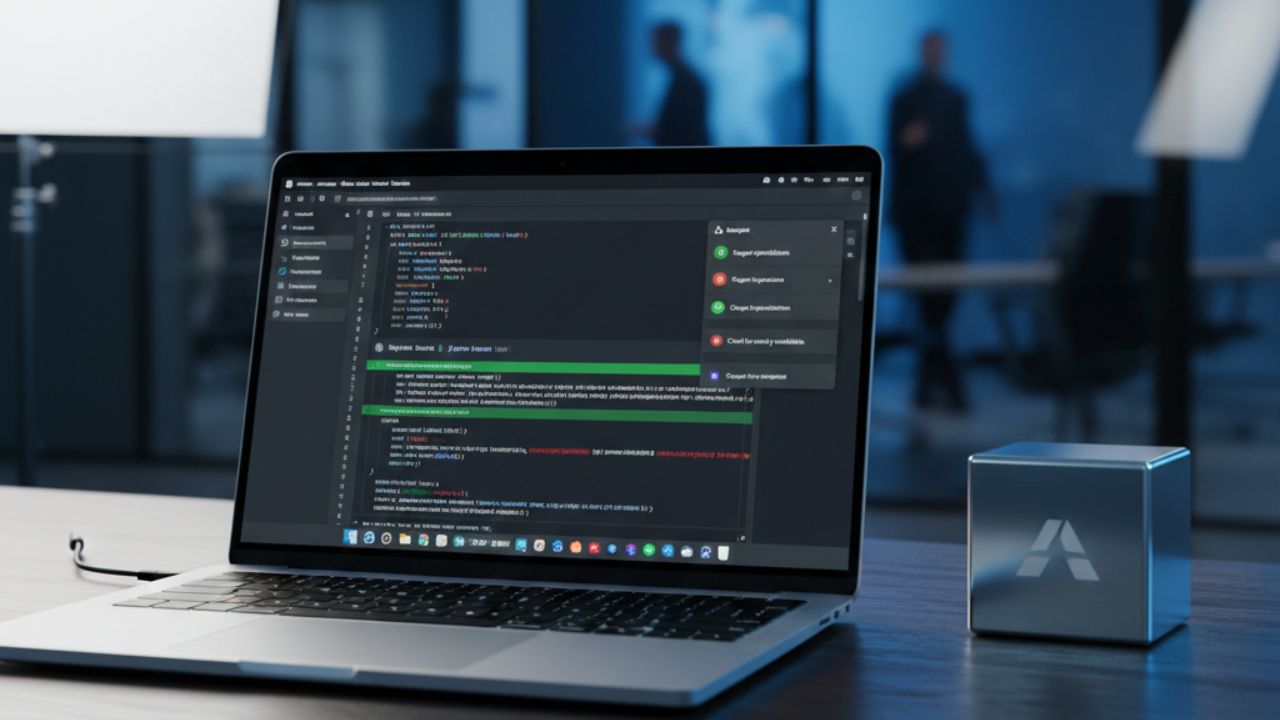
- Automated Documentation: Instantly generate detailed, context-aware pull request descriptions and in-line code documentation.
- Accelerated Reviews: Use AI to perform initial, high-fidelity code reviews natively in Bitbucket, flagging structural issues before human intervention is needed.
- Massive Efficiency Gains: Engineering teams can save over 10 hours weekly by automating the "work about the work."
- Seamless Ecosystem Integration: Built directly into the Atlassian suite (Jira, Bitbucket, Confluence) to natively optimize the modern developer experience.
Modern engineering teams face a paradoxical bottleneck: they often spend a staggering amount of time on administrative, non-coding tasks rather than actually writing the code that drives business value. Context switching between Jira tickets, drafting pull requests, and chasing down reviewers actively erodes developer velocity.
This deep dive is a core chapter in our extensive pillar guide on Atlassian Intelligence and Agentic Workflows. By strategically deploying Atlassian Rovo Dev Agents for the SDLC, software teams can automate the most tedious and repetitive parts of the development cycle. This guide explores exactly how these specialized AI agents are transforming the developer experience in 2026.
Automating the Developer Experience
The primary, undeniable goal of Atlassian Rovo Dev Agents for the SDLC is to completely eliminate friction. Instead of relying on disconnected third-party AI tools, these agents act as tireless, deeply integrated assistants that live natively within your version control and agile project management tools.
Automated PR Descriptions and Initial Reviews
Writing comprehensive, articulate pull request descriptions is vital for maintaining codebase health, yet it is notoriously time-consuming. Rovo Dev Agents intelligently analyze your specific code diffs and commit messages to automatically draft rich descriptions that include business context, specific structural changes made, and recommended testing steps.
Furthermore, they can perform preliminary, automated code reviews directly within Bitbucket. By identifying potential logic bugs, security vulnerabilities, or style guide violations early, they ensure that human reviewers only spend time on complex architectural decisions.
For organizations looking to build their own custom, specialized assistants for bespoke internal tasks, our comprehensive Atlassian Rovo Studio Tutorial offers an excellent starting point for no-code agent creation.
Understanding Credits and Pricing in 2026
Successfully scaling Atlassian Rovo Dev Agents across an enterprise requires a clear understanding of the 2026 resource and billing model. Unlike traditional, rigid flat-fee SaaS seats, these autonomous agents often operate on a dynamic, consumption-based credit system.
How Rovo Dev Credits Work
Credits act as the internal fuel for AI operations. They are consumed based on the computational complexity and frequency of the tasks the agents perform. For instance, generating a brief Jira comment costs significantly less than executing a deep-scan static code review across a massive monorepo. The system meticulously tracks this usage to ensure transparent resource efficiency.
Calculating Cost Per Developer
In 2026, Rovo Dev pricing is strategically structured to scale flexibly with the size of your engineering organization. While there is an upfront license cost, this investment is routinely offset by the 10+ hours reclaimed per developer, per week. To truly understand how these agents intelligently pull data from across your wider organization to stay contextually accurate, refer to our Atlassian Teamwork Graph Guide.
Build custom enterprise tools and automation interfaces in seconds by chatting with AI using Lovable.
We may earn a commission if you purchase through this link.
(This does not increase the price for you)
Frequently Asked Questions (FAQ)
Rovo Dev Agents are specialized, autonomous AI assistants embedded within the Atlassian ecosystem. They are designed to natively automate administrative and highly repetitive tasks within the software development lifecycle, such as drafting documentation and conducting preliminary code reviews.
These agents programmatically scan the code diffs and associated commit messages within a working branch. They then synthesize that raw data to summarize the intended changes into a beautifully formatted, context-rich PR description.
Yes. Rovo Dev Agents can be deeply integrated into Bitbucket pipelines to provide immediate, automated feedback on code quality, potential logic flaws, and strict security standards before it is routed to a human peer reviewer.
While exact pricing varies based on enterprise negotiation and tier, it is generally structured around a foundational per-user license that is supplemented by a flexible credit consumption system designed for high-volume automation tasks.
Think of credits as the internal computational currency used to "pay" for agent actions. Executing a deep, multi-repository code analysis will consume a higher volume of credits compared to a simple, text-based Jira comment generation.
Adopting Atlassian Rovo Dev Agents for the SDLC is no longer just a tactical advantage—it is an absolute operational necessity for engineering teams aiming to remain agile and competitive in 2026. By ruthlessly automating the "work about the work," your engineers can successfully return to what they actually do best: architecting and building innovative software.