GEO Content Patterns for SaaS: The Side-by-Side Blueprint to Beat G2
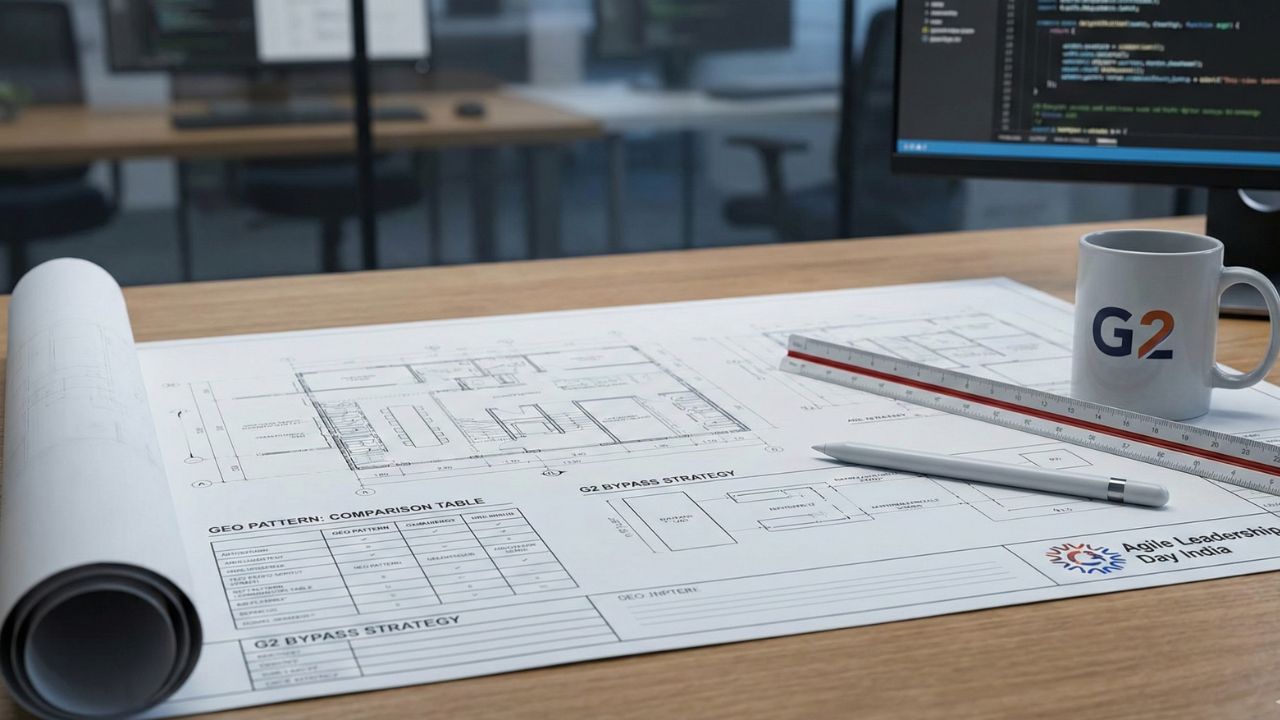
- Mastering geo content patterns for saas is the ultimate strategy to bypass review aggregators.
- Discover why comparison tables are the most powerful weapon for AI visibility.
- Learn how to use definition boxes to dominate technical SaaS terminology.
- Understand the absolute necessity of software schema markup for AI extraction.
Introduction
Are you tired of seeing G2 or Capterra dominate the answers when prospects ask AI about your software?
You are not alone. To win back your narrative, you must master geo content patterns for saas.
This deep dive is part of our extensive guide on the cmos playbook for ai citation.
By shifting your content strategy to favor machine-readable formats, you can bypass the aggregators entirely.
Let's explore the exact blueprint to make your SaaS platform the definitive AI answer.
Reclaiming Your Narrative from the Aggregators
The Threat of Review Intermediaries
For years, SaaS companies have surrendered their bottom-of-funnel traffic to review giants. Generative AI changes the battlefield completely.
LLMs do not inherently prefer G2; they prefer the structured, side-by-side data that G2 provides.
If you build that same structured data on your own domain, AI engines will cite the primary source—you.
Structuring for the Machine
To beat intermediaries, your pages must be ruthlessly logical. You have to stop writing fluffy marketing copy and start engineering data.
For a comprehensive look at this architectural shift, review our guide on structuring b2b content for llm ingestion.
By organizing your product features in predictable, scannable formats, you make it effortless for algorithms to recommend you.
The Core GEO Content Patterns
The Dominance of Comparison Tables
If you want to win SaaS AI citations, comparison tables are non-negotiable.
AI models love parsing clean HTML <table> tags to understand feature parity.
Best Practices for Comparison Tables:
- Keep it factual: Avoid subjective marketing claims; stick to binary feature availability.
- Use exact competitors: Do not shy away from naming competitors in "Us vs. Them" tables.
- Format cleanly: Avoid complex JavaScript tables that crawlers struggle to render.
Step-by-Step Guides and Documentation
Why do LLMs favor SaaS step-by-step guides? Because they provide sequential, high-signal data.
When users ask an AI how to execute a specific workflow, the AI pulls from structured tutorials.
Winning with Guides:
- Use numbered lists for every workflow.
- Include Bold text for UI elements the user needs to click.
- Ensure your technical documentation is fully public and indexable.
Definition Boxes for Technical Terms
Technical SaaS buyers ask AI for definitions constantly. This is why definition boxes are critical for technical SaaS terms.
If your site defines an industry term better than Wikipedia, you become the cited source.
To understand how this builds long-term trust, read up on b2b brand authority signals for ai search.
Frequently Asked Questions (FAQ)
The most effective patterns include HTML comparison tables, sequentially numbered step-by-step guides, structured pricing breakdowns, and isolated definition boxes.
Build static, semantically correct HTML tables comparing your exact features against competitors, making it incredibly easy for AI bots to extract side-by-side data.
LLMs prioritize structured, logical sequences. Step-by-step guides offer high "factual density" without marketing fluff, which perfectly aligns with how AI models synthesize instructions.
Use clean, structured tier lists and explicitly define what is included in each tier using bullet points and standard currency formatting, avoiding complex dynamic sliders.
Absolutely. "Competitor vs. Us" pages are vital. They feed the AI direct comparative data, allowing you to control the narrative rather than letting third-party sites dictate the comparison.
Use a strict "Question as an H3, one-sentence direct answer immediately below" format. This BLUF (Bottom Line Up Front) structure is highly "liftable" for LLMs.
Software application schema is critical. It explicitly tells the AI crawler about your operating system requirements, pricing, and category, removing any guesswork from the model.
Regularly update the "Last Modified" tags on your pages and explicitly state the current year or version number in your headings so AI knows the data is current.
Definition boxes isolate factual concepts from the surrounding text, providing AI engines with perfectly packaged, authoritative snippets to use in their generated answers.
Host the exact same structured data, comparison metrics, and feature tables on your own site, combined with robust software schema, to establish yourself as the primary source.
Conclusion
The transition from traditional search to generative AI offers SaaS companies a rare opportunity to dethrone massive review aggregators.
By implementing strict geo content patterns for saas—like comparison tables, clear definitions, and structured guides—you make your website the most authoritative, machine-readable source available.
Stop writing solely for human readers, start engineering your data for AI engines, and secure your position as the definitive answer in your industry.
Sources & References
- Internal Source: Content Hub Map Document
- External Reference 1: Search Engine Land Guide to Semantic HTML and Table Optimization for Crawlers
- External Reference 2: Google Search Central Documentation on SoftwareApplication Schema Markup