WBCSD Climate Leaders: The Secret Strategy Reshaping Asia (January 2026)
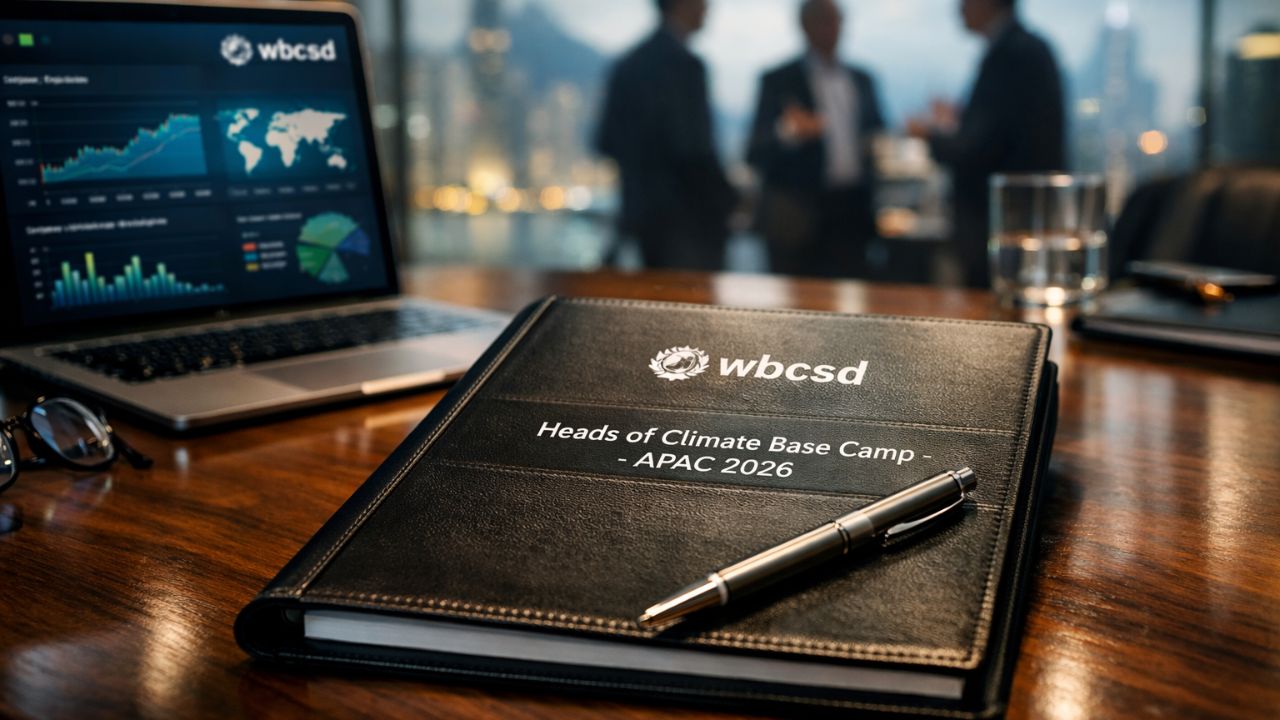
- Historic Regional Debut: This was the first-ever Asia-Pacific and Hong Kong edition of the prestigious Heads of Climate Base Camp.
- The Strategic Pivot: A move from technical carbon accounting to high-level executive courtroom leadership.
- Elite Science Input: Insights from former IPCC Chair Dr. Hoesung Lee on the science-policy-business interface.
- Circular Reality: Practical transition at New Life Plastics, the city’s first food-grade-ready recycling facility.
In the high-stakes corridors of Hong Kong, 15 of the region’s top climate powerhouses met behind closed doors this January to rewrite the sustainability playbook for the Asia-Pacific. This exclusive summit, a key highlight in the latest leadership news (February 2026), signals a massive shift in how the World Business Council for Sustainable Development (WBCSD) is arming regional leaders to transform the "field-to-boardroom" landscape.
The Hong Kong Milestone: Climate Power Moves
From January 20–23, 2026, the WBCSD launched its first Asia-Pacific edition of the Heads of Climate Base Camp in Hong Kong. Sponsored by Swire Pacific, the intensive four-day program gathered 15 Heads of Climate and Chief Sustainability Officers representing seven countries.
The event focused on embedding climate action directly into regional business strategy, according to the WBCSD Heads of Climate Base Camp APAC 2026 report. This milestone represents the council's commitment to localized leadership in one of the world's most critical economic zones.
Can Western Climate Models Survive in Asian Markets?
A central theme of the summit was the realization that European and U.S. climate models often fail when applied to the unique regulatory landscapes of Asia. The WBCSD Heads of Climate Base Camp APAC 2026 report notes that leaders must translate global net-zero ambitions into "regionally relevant" strategies.
Participants engaged in deep-dive masterclasses on Actions and Market Instruments and Building Adaptation and Resilience to maintain local credibility and buy-in. This shift is essential for organizations aiming for Modi’s 2026 AI Summit levels of regional alignment.
Mastering the Shift: From Technical to Strategic
The "secret strategy" emerging from the summit is a pivot from managing technical emission data to exercising executive-level influence. The program introduced specific mental models designed to help climate heads navigate internal complexities and scale impact across diverse geographies.
By moving beyond simple metrics, these leaders are now equipped to integrate climate goals into the very core of business decision-making. This mirrors the leadership evolution seen in US-India AI Alliance initiatives where strategic convergence trumps tactical execution.
The IPCC Insider and the Future of Carbon Math
Dr. Hoesung Lee, former Chair of the Intergovernmental Panel on Climate Change (IPCC), warned participants that corporate leadership is the link for driving systemic change. The technical core of the report focused on future greenhouse gas standards, led by Professor Alexander Bassen, Chair of the Independent Standards Board of the GHG Protocol.
Their insights highlighted how the future of "carbon math" will dictate corporate competitiveness and access to global capital markets under new international frameworks. Understanding these metrics is becoming as vital as knowing The Kiro Mandate for technical infrastructure.
Real-World Impact: Beyond the Boardroom
The summit moved into the field at New Life Plastics, Hong Kong’s first food-grade-ready recycling facility, to bridge the gap between frameworks and reality. This visit showcased how the circular economy works on the ground, providing a blueprint for industrial shifts across the Asia-Pacific region.
A networking session co-hosted with BEC connected the 15 leaders with 14 local companies to synchronize global climate goals with local industrial operations. This synergy is critical for ensuring that high-level policy translates into tangible environmental benefits.

Frequently Asked Questions (FAQ)
From January 20–23, 2026, the WBCSD launched its first Asia-Pacific edition of the Heads of Climate Base Camp in Hong Kong, gathering 15 Heads of Climate and Chief Sustainability Officers representing seven countries.
Former IPCC Chair Dr. Hoesung Lee provided rare insights into the science-policy-business interface for regional CSOs, emphasizing that corporate leadership is the primary link for driving systemic change.
Western climate models often fail when applied to Asia due to unique regulatory landscapes. The WBCSD report notes that leaders must translate global ambitions into "regionally relevant" strategies.
Conclusion: The Road to Net Zero
This newly empowered community of leaders is set to drive a business-integrated transformation across the diverse markets of the Asia-Pacific. The Base Camp has established a network of trust, allowing regional CSOs to use peer-support as a catalyst for rapid, systemic change.
For details on future editions or climate initiatives, contact the WBCSD team at climate@wbcsd.org to join this evolving leadership network.