The Kiro Mandate: Amazon’s $60 Billion Paradox in Strategic Incoherence
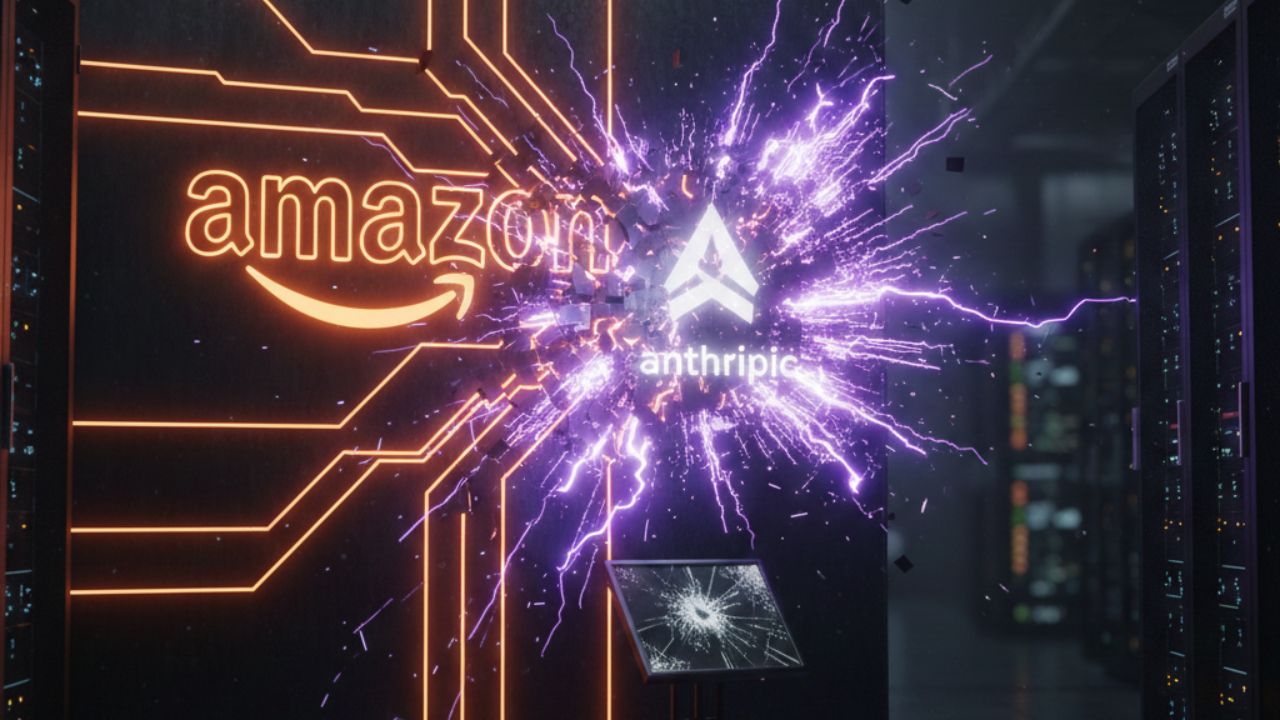
- Engineer Revolt: 1,500 Amazon developers are protesting a mandate to use Kiro over Anthropic’s Claude Code.
- Productivity Gap: Internal teams label Kiro as "second best," creating a "cultural tax" on development speed.
- Strategic Paradox: Amazon has invested $8 billion in Anthropic but blocks its own talent from using their tools.
- Compliance vs. Confidence: While 70% of engineers used Kiro in January 2026, critics call this a vanity metric driven by forced adoption.
The Rising Friction in Silicon Valley
In the high-stakes theater of Silicon Valley, a recurring tragedy is unfolding: the widening gap between top-down corporate mandates and the boots-on-the-ground reality of engineering efficiency. This struggle highlights a critical theme in our latest leadership news (February 2026) regarding the balance of power between management and technical elite.
Amazon, a company that practically patented the "Day One" philosophy of relentless invention, is currently caught in a spectacle of its own making. Nearly 1,500 Amazon engineers are in open revolt on internal forums, pushing back against a mandate to use Kiro—Amazon’s proprietary AI coding assistant—instead of Claude Code.
The Productivity Gap: In-House vs. Best-in-Class
The grievance bubbling up through internal forums is a matter of pure technical performance: Amazon’s elite engineering core is increasingly vocal that Claude Code is simply a better product. By forcing a weaker tool, leadership is levying a "cultural tax" on developer speed.
When internal optics and "alignment" trump actual output, an organization signals that it has transitioned from a pioneer to a bureaucracy. In an industry where a tool’s survival should be earned through utility, the mandate feels like a desperate attempt to prop up an underperformer.
The $60 Billion Strategic Contradiction
The financial irony is staggering. Amazon has poured $8 billion into Anthropic, a stake now valued at over $60 billion. This is a symbiotic relationship where Anthropic is a premiere AWS customer utilizing Amazon’s custom Trainium chips.
Amazon is effectively building the hardware to run Anthropic’s software while simultaneously blocking its own engineers from using the output of that very hardware. By prioritizing Kiro’s adoption over the efficiency provided by Claude, Amazon is engaging in strategic incoherence.
The Sales Credibility Crisis
The situation has become a branding nightmare for the AWS Bedrock sales team. These engineers are tasked with selling a marketplace where customers can access best-in-class models like Claude. Yet, these same engineers are restricted from using those tools for their own production code.
This creates a fundamental disconnect. As one sales engineer noted internally, "Customers will ask why they should trust or use a tool that we did not approve for internal use". It is increasingly difficult to project confidence in a product that employees are forbidden from using in the field.
Vanishing Approvals and Corporate Politics
Internal distrust reached a fever pitch following a confusing reversal regarding tool approvals. Claude Code had initially cleared the rigorous security and legal hurdles required for production use. However, that internal guidance was "quietly edited and removed," replaced by a memo from Senior VPs establishing Kiro as the "recommended" tool.
Engineers view this as a bureaucratic deterrent. When goalposts move after a tool has already been technically vetted, it becomes clear to the workforce that the restriction is based on corporate politics, not security or scalability.

Frequently Asked Questions (FAQ)
Kiro is Amazon's in-house AI-native development tool. Claude Code is a third-party tool developed by Anthropic. Engineers describe Claude Code as superior, while Amazon management claims Kiro drives "incredible improvements in efficiency".
Engineers believe Kiro is technologically inferior and slows down development. They also point to the strategic contradiction of selling Claude Code to external customers while restricting its use internally.
It creates a financial paradox where Amazon profits from the success of a tool it restricts its own employees from using. It also creates a credibility gap for sales teams who find it difficult to pitch a product Amazon itself won't approve for production.
Conclusion
As we move deeper into the AI era, the ultimate competitive advantage will be developer autonomy. Amazon’s current trajectory raises a critical question: Is corporate alignment worth the cost of alienating elite talent? Forced adoption might just be the quickest way to become a legacy giant.