Meta CEO Testifies in Addictive Design Trial: Is Instagram Unsafe? (February 2026)
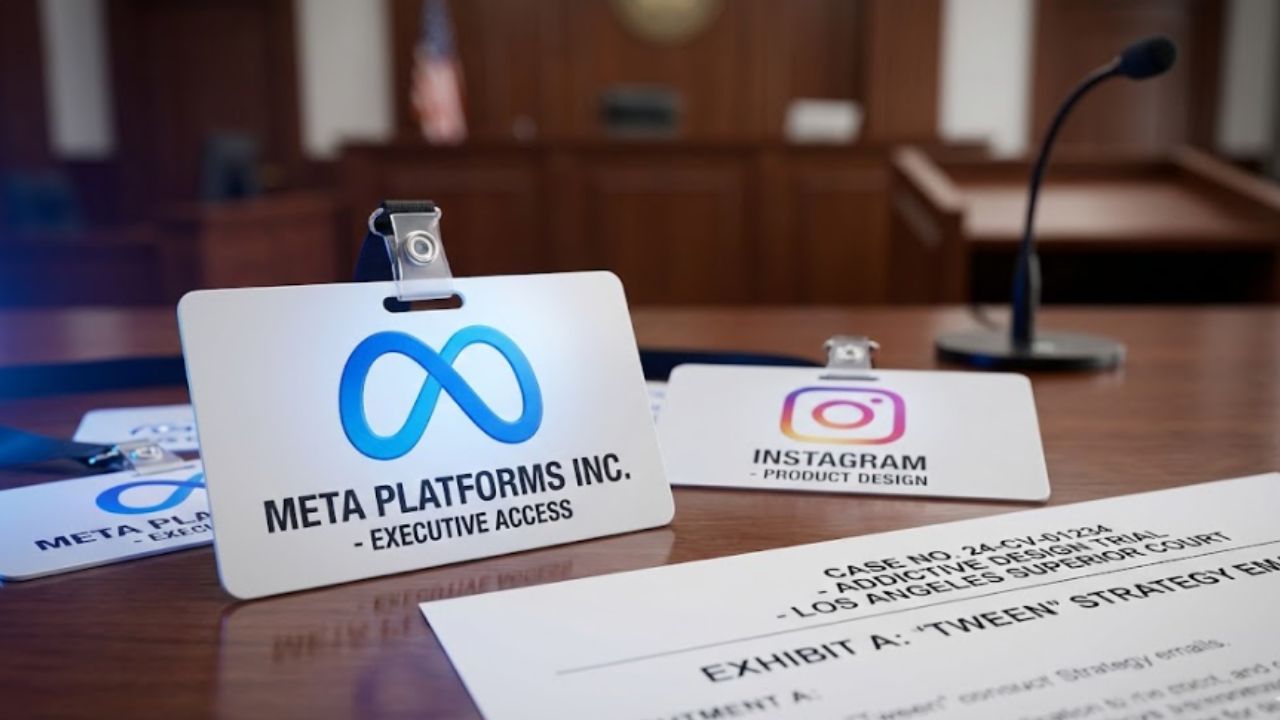
Key Takeaways
- Historical Testimony: Zuckerberg faced jurors for the first time in a consolidated case involving over 1,600 plaintiffs.
- The "Tween" Target: Internal emails from 2018 suggest a strategy to "win big with teens" by capturing them as "tweens".
- Defiant Defense: Zuckerberg rejected the "digital casino" characterization, citing internal engagement milestones over design mandates.
- Liability Risk: A verdict could strip Section 230 protections and force sweeping social media design changes.
Mark Zuckerberg took the witness stand in a Los Angeles courtroom this week to defend Meta against explosive allegations that Instagram was intentionally designed as a "digital casino" to exploit children's brains. This landmark trial is a major focus in our latest leadership news (February 2026) coverage, marking the first time the billionaire has answered for platform safety under oath before a jury.
The "Tween" Strategy: Internal Emails Ignite Integrity Row
The plaintiff’s legal team challenged Zuckerberg with internal Meta documents suggesting the company prioritized growth over safety. One high-profile email from 2018 explicitly stated, "If we wanna win big with teens, we must bring them in as tweens," despite official prohibitions for users under 13.
Zuckerberg admitted that nearly 4 million children under 13 were estimated to be using the app as early as 2015. While he expressed regret for not acting faster, he maintained that identifying minors remains "difficult to determine" due to frequent age misrepresentation.
Digital Casinos or Useful Tools? The Battle Over Algorithmic Loops
A central theme of the trial is whether features like infinite scroll, beauty filters, and push notifications are "defective products" engineered for dopamine hits. Lawyers for a 20-year-old plaintiff argued that these loops contributed to suicidal ideation starting at age 10.
Zuckerberg pushed back, stating Meta aims to build products that users find "useful" rather than addictive. He defended cosmetic surgery filters, noting that restricting them felt "paternalistic" and limited expression, despite wellbeing concerns raised by internal experts.

Frequently Asked Questions (FAQ)
Mark Zuckerberg is testifying to defend Meta against allegations that Instagram was intentionally designed to be addictive for children, potentially contributing to a youth mental health crisis.
The 'Tween' strategy refers to internal emails suggesting a goal to 'win big with teens' by capturing users as young as 'tweens,' despite official age prohibitions.
Why It Matters: A Global Reckoning for Big Tech
This Los Angeles case is a bellwether for thousands of similar lawsuits filed by families and school districts. The outcome could redefine corporate accountability in the digital era, moving beyond content hosting to the legal liability of the "hostile design" itself.
For modern leaders, the trial confirms that digital safety frameworks are no longer optional. As global governments enact stricter age gates, the era of engagement-at-all-costs is facing its most significant legal threat to date.