Integrating Generative AI with Legacy Enterprise Systems: Bridging the "Age-Old" Tech Gap.
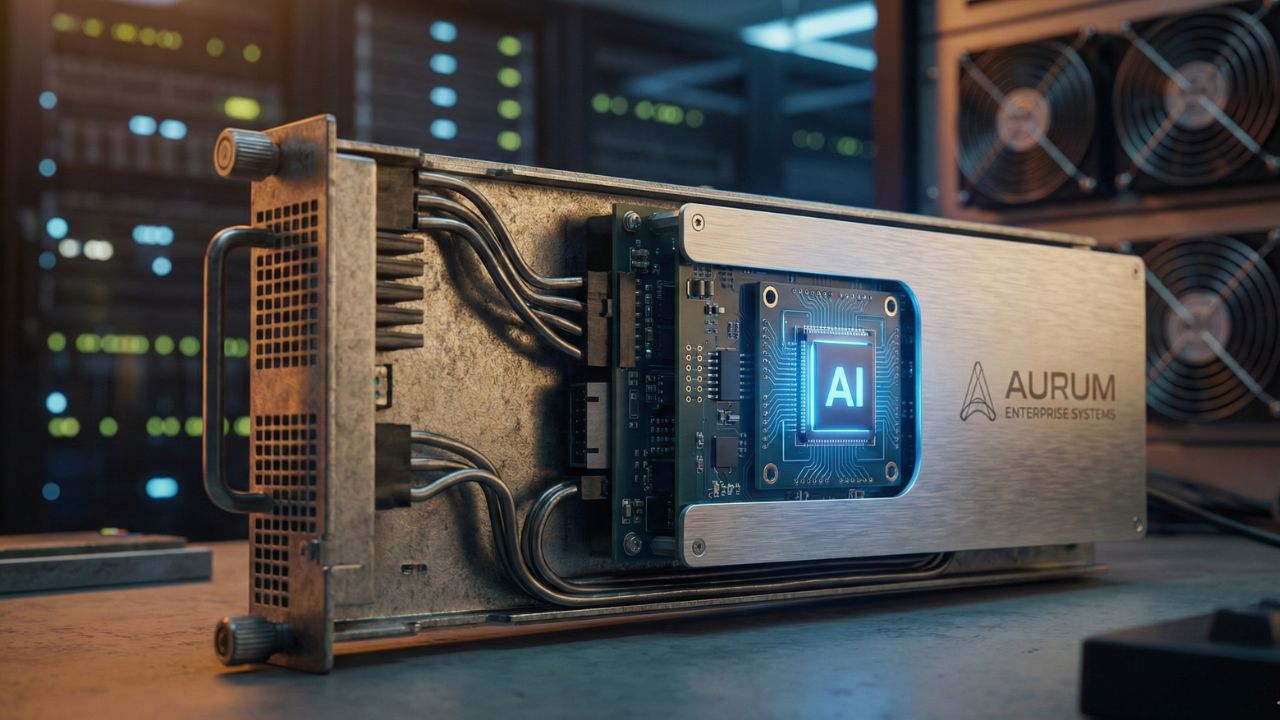
- Strategic Modernization: Learn the strategy for modernizing age-old tech stacks without full-scale replacement.
- Smart Interfacing: Discover how to use AI agents as wrappers for old code to connect outdated systems with modern interfaces.
- Data Protection: Understand how to manage data security during legacy-AI bridging to keep sensitive enterprise data safe.
- Overcoming Hurdles: Master the art of scaling ai across technical debt in large firms without breaking core operations.
Many executives struggle with integrating generative ai with legacy enterprise systems.
This deep dive is part of our extensive guide on Executive Survival and Relevance Guide 2026 to 2030: The Blueprint for Not Becoming Obsolete.
If your core operations rely on outdated infrastructure, learning how to modernize age-old tech stacks without full-scale replacement is critical for survival.
The Core Challenge of Technical Debt
Large enterprises cannot simply unplug their core systems.
Integrating AI with legacy software integration challenges requires a nuanced approach to avoid operational disaster.
Wrapping Legacy Systems with AI
A major breakthrough is wrapping legacy banking systems with agentic layers.
Instead of rewriting decades-old code, teams can use AI agents as wrappers for old code.
These agents translate modern natural language requests into legacy system commands, acting as a smart middleware.
Scaling Across Disparate Databases
One of the biggest hurdles is learning how to scale AI across disparate legacy databases.
Often, this data is siloed and formatted inconsistently, requiring robust data harmonization strategies before AI can extract meaningful insights.
The Path to Agentic Modernization
By modernizing age-old systems using ai agents, companies can achieve what we call "agentic modernization."
What is Agentic Modernization for Banks?
Agentic modernization for banks involves deploying autonomous agents that interact securely with legacy core banking platforms.
This allows for real-time customer service enhancements without altering the foundational, highly secure mainframe architecture.
Balancing Speed and Compliance
As you connect modern tools to old databases, you must know how to ensure compliance when using AI on legacy data.
This is why understanding How to Scale AI Responsibly in Enterprise: Why Speed Without Governance is Fatal is a mandatory next step for leaders.

FAQ: Bridging the Legacy Tech Gap
AI can interface with mainframes by utilizing API wrappers and agentic layers that translate modern queries into legacy-compatible commands.
The primary risks include data breaches, system instability if the legacy infrastructure is overloaded with queries, and compliance violations.
You deploy an AI middleware that understands the inputs and outputs of the old code, allowing modern applications to interact with it seamlessly.
While it cannot completely erase technical debt, it can significantly mitigate its impact by automating code refactoring and translation processes.
It is the process of using autonomous AI agents to modernize the capabilities and user interfaces of legacy banking mainframes without replacing them.
Establish a unified data fabric or data lake that normalizes the data from these disparate databases before feeding it into your AI models.
Start with small pilot programs, prioritize robust API security, and maintain a human-in-the-loop governance structure.
Implement strict access controls, encrypt data in transit between the AI and legacy system, and continuously monitor for anomalous queries.
Costs vary widely but typically include middleware licensing, custom API development, and significant data cleaning and preparation expenses.
Map all legacy data fields to current regulatory frameworks (like GDPR or HIPAA) and ensure the AI models are audited for bias and privacy adherence.
Conclusion
Successfully integrating generative ai with legacy enterprise systems is the ultimate test of a modern executive's strategic foresight.
By leveraging agentic wrappers and focusing on secure interoperability, you can bridge the age-old tech gap without paralyzing your business.
If you are a consultant helping organizations navigate this complex transition, be sure to review How to Coach Clients Through AI Transformation: The Consultant’s 2026 Survival Playbook.
Sources & References
- Internal Link: Executive Survival and Relevance Guide 2026 to 2030: The Blueprint for Not Becoming Obsolete.
- Internal Link: How to Scale AI Responsibly in Enterprise: Why Speed Without Governance is Fatal.
- Internal Link: How to Coach Clients Through AI Transformation: The Consultant’s 2026 Survival Playbook.
- Gartner (2025). Navigating Technical Debt with Agentic Architecture.
- McKinsey & Company (2026). The Economics of Mainframe Modernization in the AI Era.