Status Quo Bias in Digital Transformation: Why AI Fails
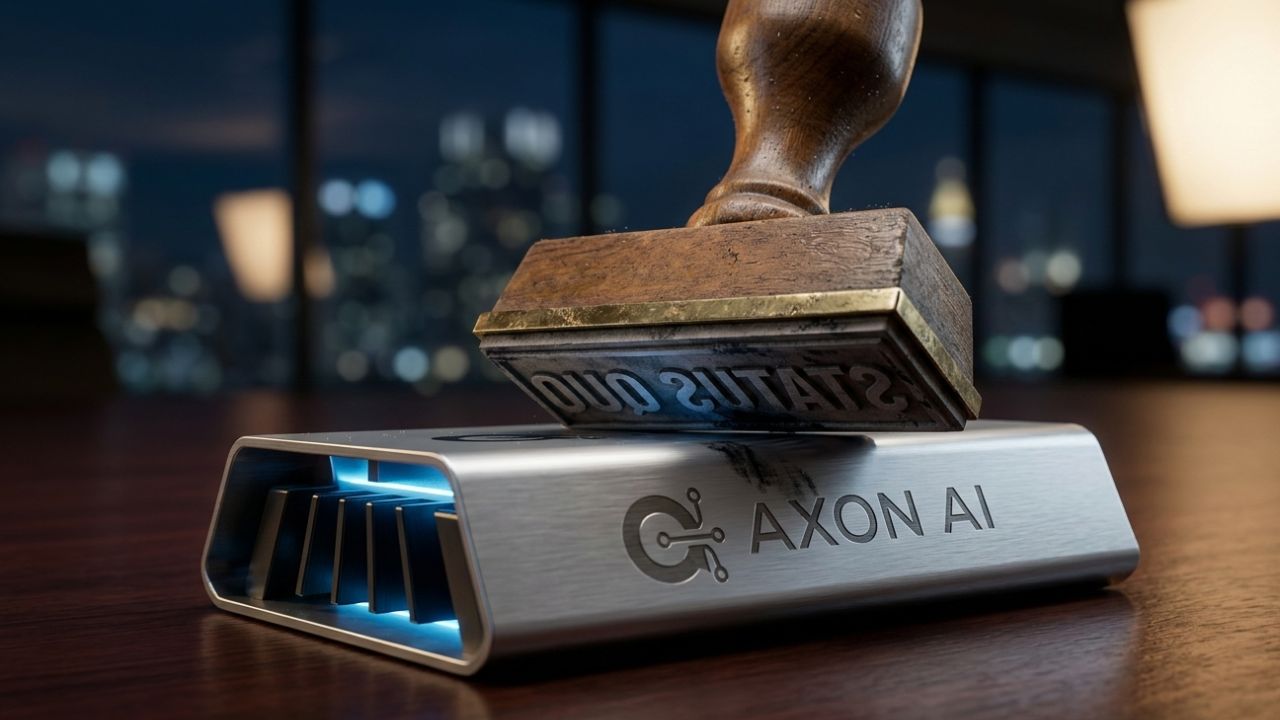
- Break the cycle of resistance and learn why the status quo bias in digital transformation is causing your 2026 enterprise AI initiatives to fail miserably.
- Understand the deep psychological barriers preventing employees from adopting automation.
- Discover why comfortable legacy systems are the enemy of enterprise agility and ROI.
- Master the executive framework required to lead teams through the fear of AI job replacement.
- Learn how to shift organizational culture from defensive stagnation to proactive innovation.
Every year, corporations pour billions of dollars into cutting-edge artificial intelligence, only to watch user adoption rates flatline. The technology is rarely the problem; human psychology is.
Break the cycle of resistance to understand exactly why your latest tech rollout is stalling. This deep dive is part of our extensive guide on cognitive biases in leadership.
The primary culprit is the status quo bias in digital transformation. When people are comfortable with legacy systems, they perceive any automated change as a direct threat. Overcoming this hidden friction is mandatory for 2026 survival.
The Psychological Wall Against AI
Humans are hardwired to prefer the familiar, even if the familiar is highly inefficient. We naturally weigh the potential risks of learning a new system far heavier than the potential benefits.
In the corporate world, this translates to severe digital friction. Employees will actively find workarounds to avoid using newly deployed AI tools.
They will cling to outdated spreadsheets and manual processes simply because it is what they already know. This is not stubbornness; it is a primal cognitive bias.
The Fear of Job Replacement
The psychological barriers to enterprise AI adoption are deeply rooted in survival instincts. When an algorithm can do a task in three seconds that used to take an employee three hours, panic sets in.
Leaders often fail to address this underlying terror. If you do not actively lead teams through the fear of AI job replacement, they will quietly sabotage the transformation.
They will claim the AI is "inaccurate" or "too complicated" just to protect their current daily routine.
How Status Quo Bias Sabotages Enterprise ROI
When a company refuses to adapt, the financial bleed is catastrophic. You end up paying for expensive enterprise AI licenses that gather digital dust.
Furthermore, leadership teams often fall victim to the sunk cost fallacy in agile projects. Instead of pivoting their change-management strategy, they just throw more money at mandatory training modules that no one pays attention to.
You must break the illusion that "the way we've always done it" is safe. In an AI-driven economy, the status quo is actually your highest area of risk.
Shifting the Narrative
To overcome this bias, executives must completely change how AI is framed. It cannot be sold as an "efficiency tool that reduces headcount."
Instead, it must be positioned as a co-pilot that eliminates boring "busy work." You must show employees exactly how the tool benefits them personally.
Be careful not to fall into the trap of confirmation bias in data driven decision making. Do not cherry-pick early adoption metrics to convince yourself the rollout is working when the frontline reality is mass resistance.

Frequently Asked Questions (FAQ)
It is an emotional preference for the current state of affairs. In change management, it manifests as organizational resistance to new tools, processes, or restructuring, regardless of how beneficial the changes actually are.
Employees resist because they fear looking incompetent during the learning curve, worry about ultimate job replacement, and dread the cognitive effort required to change their deeply ingrained daily habits.
You must clearly articulate the severe risks of not changing. Additionally, you should involve end-users early in the AI selection process, provide extensive psychological safety, and reward early adopters publicly.
The primary barriers include the loss of professional identity, a perceived loss of control, distrust of algorithmic decision-making, and the overwhelming anxiety of becoming obsolete.
Leaders must communicate with radical transparency. Emphasize that AI replaces tasks, not roles. Reskill your workforce to become "AI Orchestrators," promoting them from manual execution to high-level strategy.
Conclusion
You cannot simply buy your way into the future of business. Until you actively address the status quo bias in digital transformation, your expensive software initiatives will consistently fail.
By understanding the psychological friction behind change, you can dismantle the fear of automation. Stop fighting your employees' natural instincts, and start leading them toward a more empowered, AI-assisted reality.
Sources & References
- Internal Link: Cognitive Biases in Leadership
- Internal Link: Sunk Cost Fallacy in Agile Projects
- Internal Link: Confirmation Bias in Data Driven Decision Making
- External Source: Harvard Business Review - The Hidden Psychology of Why Digital Transformations Fail.
- External Source: McKinsey & Company - Overcoming the Status Quo Bias in Change Management.
- External Source: Project Management Institute (PMI) - Leading Teams Through the AI Transition.