Availability Heuristic in Project Risk Management: Stop Guessing.
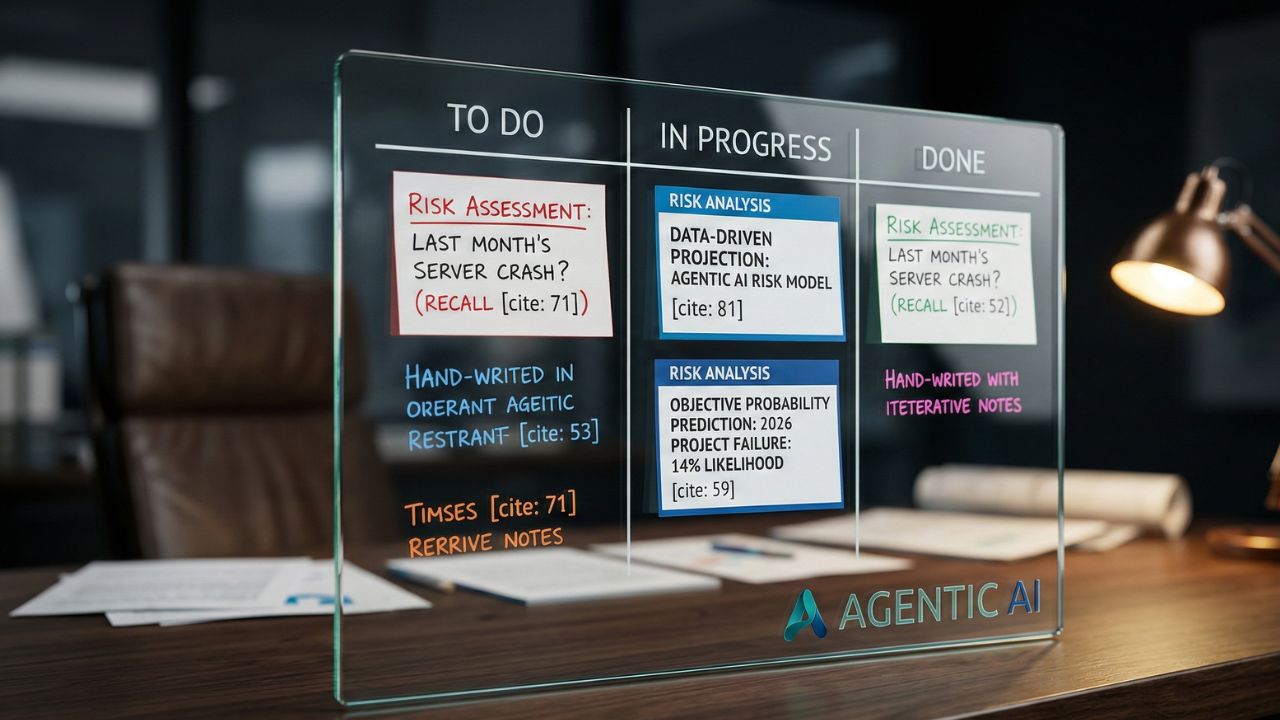
- Stop relying on recent memory: Base your risk assessments on hard data, not just the latest crisis.
- Human intuition is flawed: Our brains are wired to overvalue easily recalled events, skewing project forecasts.
- AI outpaces human memory: Predictive analytics and AI risk models provide an objective lens that humans simply cannot match.
- Predict and mitigate: Mastering this bias is essential to accurately predict and mitigate 2026 project failures.
Introduction: The Danger of "I Remember When..."
Stop basing risk on recent memory. In the high-stakes world of enterprise project management, relying on what readily comes to mind is a recipe for disaster.
If you want to accurately predict and mitigate your 2026 project failures, you must master the availability heuristic in project risk management.
This deep dive is part of our extensive guide on cognitive biases in leadership.
It's entirely human to lean on past experiences, but relying solely on your gut instinct will inevitably lead your enterprise astray. Let's break down how to stop guessing and start predicting.
What is the Availability Heuristic?
The availability heuristic is a mental shortcut. It occurs when leaders evaluate the probability of a risk based on how easily an example comes to mind.
If a server crashed last month, IT leaders will likely overestimate the probability of another crash today.
Conversely, they will dangerously underestimate risks they haven't experienced recently. This memory bias completely distorts reality.
It causes teams to over-allocate resources to highly memorable, low-probability events while ignoring silent, high-probability threats.
Why Human Intuition Fails in Project Forecasting
Human intuition is notoriously flawed in predicting project failure. We are emotional creatures, and recent news or enterprise trauma severely affects our project risk assessment.
When a project manager is still recovering from a recent vendor bankruptcy, every new vendor suddenly looks like a massive risk. This isn't data; this is lingering panic.
To make matters worse, this bias often pairs with the confirmation bias in data driven decision making.
Leaders will subconsciously cherry-pick data that supports their recent, vivid memories, creating a feedback loop of bad decisions.
AI Risk Models vs. Human Memory
How can we calculate accurate project risk without memory bias? The answer lies in removing the flawed human element from the initial data processing.
AI risk models can drastically outperform human project managers because they do not have an emotional memory.
Algorithms look at historical data sets objectively, without giving undue weight to yesterday's headline.
By relying on AI predictive analytics, you can spot the actual red flags. This helps your team avoid throwing good money after bad, a trap heavily tied to the sunk cost fallacy in agile projects.

Frequently Asked Questions (FAQ)
It is a cognitive blind spot where executives assess the likelihood of a project risk based on how easily a similar past event can be recalled from memory, rather than using objective statistical data.
Recent trauma, such as a major failed product launch, makes that specific risk highly "available" in a leader's mind. This causes them to overestimate the likelihood of it happening again, often leading to over-correction and wasted resources.
To eliminate memory bias, organizations must implement standardized risk matrices and rely on comprehensive, historical data sets rather than anecdotal evidence or gut feelings during sprint planning.
Human intuition relies heavily on emotional resonance and recency. We are biologically wired to remember threats that just happened, which distorts our ability to mathematically calculate long-term, complex enterprise risks.
AI models evaluate all historical data points equally to identify true probabilistic patterns. They do not suffer from fatigue, fear, or recent trauma, allowing them to provide objective risk forecasts that humans cannot naturally produce.
Conclusion
Transforming your enterprise means acknowledging your blind spots. Relying on recent memories to dictate future strategies is a gamble you cannot afford to take.
By actively working to counter the availability heuristic in project risk management, you protect your ROI and your team's sanity.
Stop guessing, leverage objective data, and let true insights drive your next big initiative. Would you like me to help you draft a checklist to identify this heuristic in your upcoming risk assessment meetings?
Sources & References
- Internal Link: Cognitive Biases in Leadership
- Internal Link: Sunk Cost Fallacy in Agile Projects
- Internal Link: Confirmation Bias in Data Driven Decision Making
- External Source: Kahneman, D. (2011). Thinking, Fast and Slow. Farrar, Straus and Giroux.
- External Source: Project Management Institute (PMI) Risk Management Guidelines.