Agile Tracking Software: The "Ghost in the Machine" That Predicts Your Sprint Fails
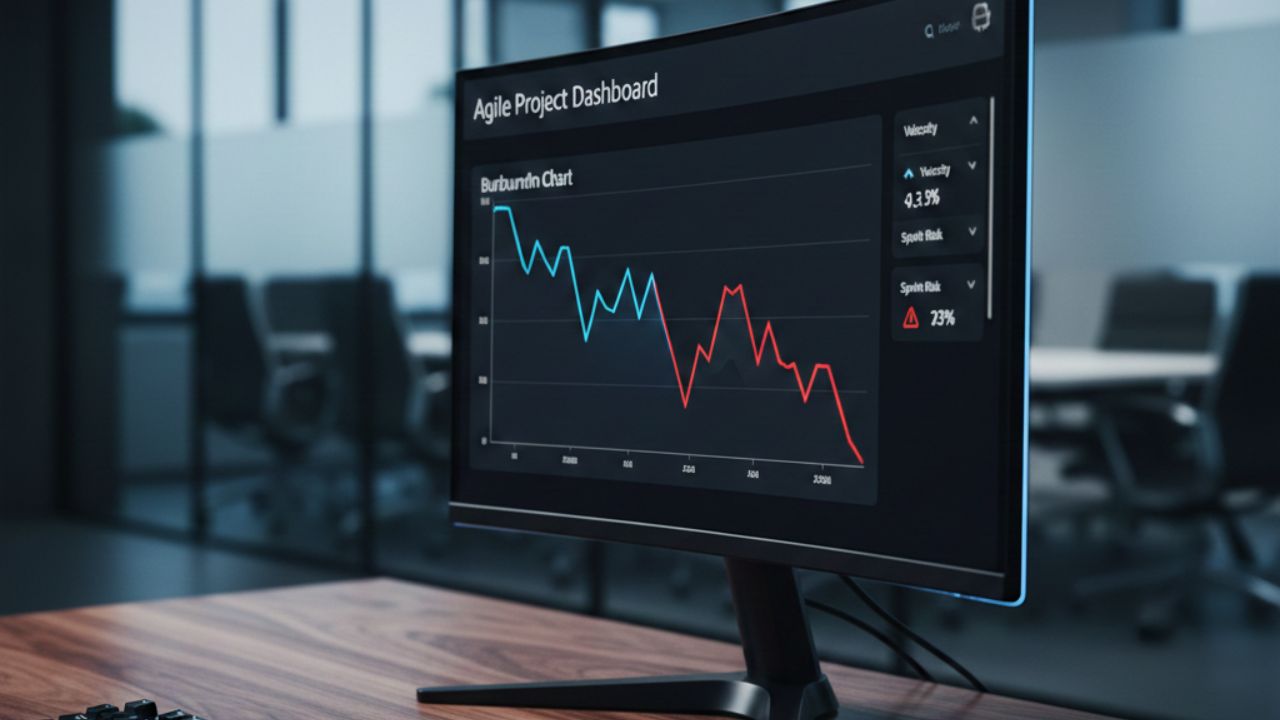
- Predictive Power: Modern agile tracking software uses historical velocity to forecast failures before they happen.
- Automation is Key: Real-time dashboards eliminate manual status updates and "status meeting fatigue".
- Developer Synergy: The best tools integrate directly with GitHub to link code commits to progress.
- Actionable Data: Focus on burndown charts and lead time to identify bottlenecks in real-time.
Understanding your team's real-time progress is the difference between a successful release and a late-night crisis. This deep dive into agile tracking software is part of our extensive guide on the best agile project management software.
While a standard tool might tell you what is "Done," a true tracking specialist acts as the "ghost in the machine," using predictive analytics to save your sprint before it’s too late.
Why Most Sprints Fail (and How Tracking Software Fixes It)
Most teams fail because they rely on manual updates that are often outdated by the time the Daily Standup starts. Agile tracking software removes the guesswork by providing real-time agile dashboards that reflect the actual state of development.
The Power of Burndown Chart Automation
A burndown chart is more than just a line on a graph; it is a pulse check. Automated Tracking ensures the software automatically updates your burndown based on ticket movement.
Predictive Warnings are crucial; if the slope of your line deviates from the ideal, the software flags a potential "sprint fail". Furthermore, Scope Creep Visibility immediately highlights when new tasks are added mid-sprint.
Integrating with the Developer Workflow
The most accurate tracking doesn't happen in the PM tool—it happens in the code. High-end agile tracking software integrates with platforms like GitHub.
This allows managers to see velocity tracking based on actual pull requests and commits rather than just manual status changes. This direct link provides an unfiltered view of engineering progress.
Moving Beyond Simple Task Lists
If you are only using your software to move cards from "To Do" to "Done," you are missing out on sprint progress tools that analyze cycle time and lead time.
For teams looking to refine their process further, integrating these insights with specialized scrum tracking tools can help spot a slacker or a bottleneck in seconds.
Additionally, ensuring your backlog is healthy via scrum management tools ensures the data being tracked is actually worth measuring.

Frequently Asked Questions (FAQ)
What is the most accurate agile tracking software for developers?
Accuracy depends on integration. The best tools for developers are those that sync with version control systems like GitHub to provide data-driven progress reports.
How do you track sprint progress automatically?
Automation is achieved by setting up triggers where moving a ticket or completing a code commit automatically updates the real-time agile dashboards and burndown charts.
Can agile tracking software integrate with GitHub?
Yes, most enterprise-level agile solutions offer native integrations or APIs to link repository activity directly to your tracking board.
What is the difference between time tracking and agile tracking?
Time tracking measures hours spent, while agile tracking focuses on velocity and the value delivered (story points) during a specific timeframe.
How do burndown charts work in tracking software?
They visualize the amount of work remaining versus the time left in the sprint. Automation ensures the "actual work remaining" line is updated every time a task is completed.
Sources & References
- Best Agile Project Management Software (Pillar Page)
- Scrum Tracking Tools: The Data-Driven Way
- Scrum Management Tools: 5 Features to Save Time
Investing in the right agile tracking software is about more than just monitoring; it is about gaining the predictive foresight to pivot when a sprint goes off the rails. By automating your velocity tracking and leveraging real-time data, you move from reactive firefighting to proactive management. Start streamlining your workflow today to ensure your next sprint isn't just finished, but optimized.