Scrum Tracking Tools: The Data-Driven Way to Spot a Slacker in Seconds
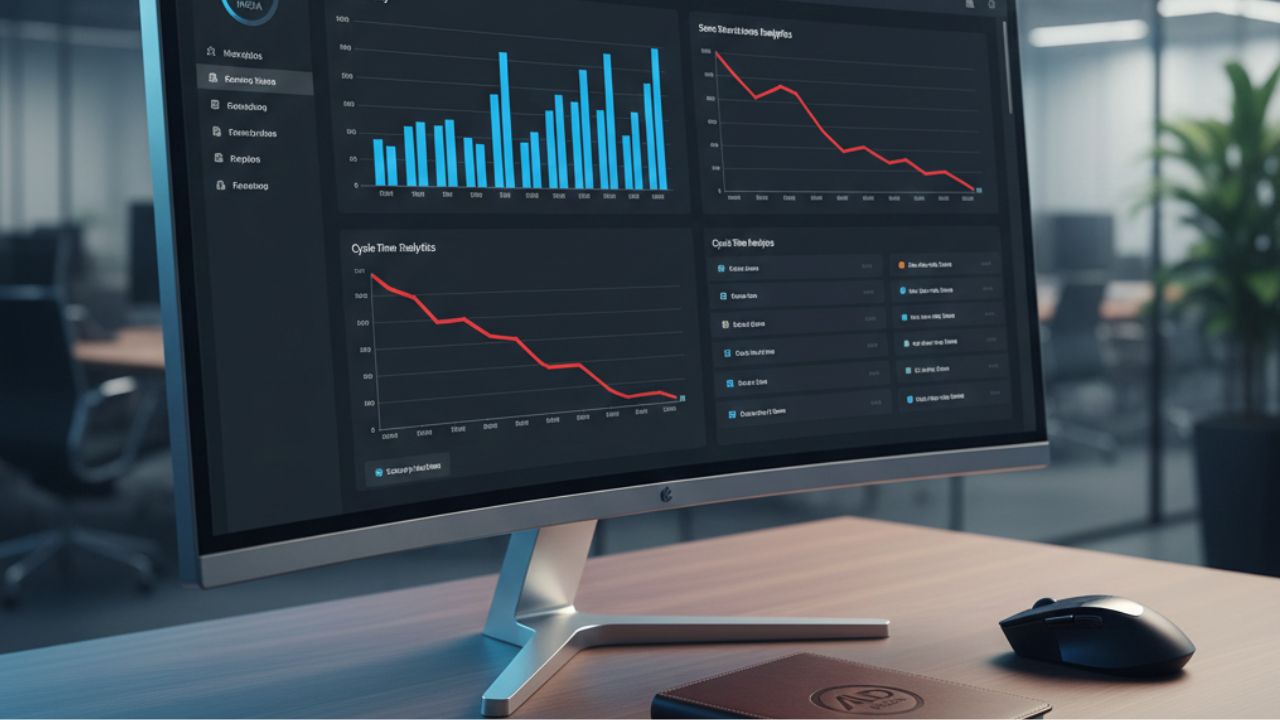
- Total Visibility: Leverage cycle time and velocity data to identify bottlenecks before they become critical blockers.
- Metric-Driven Management: Monitor key performance indicators to separate high-performers from those dragging the sprint down.
- Actionable Analytics: Use real-time dashboards to gain total visibility into team health.
- Efficiency Boost: Learn how cycle and lead times work within your tools to streamline delivery.
Leverage scrum tracking tools to gain total visibility over your production pipeline. This deep dive is part of our extensive guide on the best agile project management software ecosystem.
By using data to identify bottlenecks before they become blockers, you can ensure every team member is pulling their weight in real-time. Data from these scrum tracking tools is what makes the best agile project management software truly effective.
Using Scrum Tracking Tools to Monitor Performance
Instead of relying on gut feelings, modern leaders use hard metrics to evaluate performance. To keep your team at peak efficiency, you must focus on specific data points within your scrum tracking tools.
Velocity Charts: Tracks the amount of work a team completes during a sprint. This metric provides a baseline for future planning and identifies long-term trends in productivity.
Cycle Time: Measures the time it takes for a single task to move from "In Progress" to "Done". Lead Time: The total time from the moment a request is made until it is delivered. Burndown Accuracy: Compares planned work against actual completion rates.
Spotting Inefficiency in Seconds
When you analyze data with dedicated scrum tracking tools, patterns of "slacking" or process failure become obvious. For instance, a sudden spike in cycle time often indicates a team member is struggling or disengaged.
If your planning phase is where the trouble begins, consider integrating your data with scrum planning software to ensure your capacity isn't being overestimated from the start.
Optimization Beyond Technical Teams
Many believe that high-level analytics are only for developers, but that is a mistake. Modern tools are designed for marketing, HR, and sales teams to track project flow through Non-Technical Utility.
Transparency: Everyone can see where a task is stuck, removing the need for awkward status "check-ins". Accountability: When metrics are public, the data speaks for itself, naturally encouraging higher engagement.
For those looking for the most comprehensive setup, comparing your current stack against the best agile software of 2026 can reveal missed automation opportunities.

Frequently Asked Questions (FAQ)
What are the key metrics to monitor in scrum tracking tools?
The most vital metrics include velocity, cycle time, lead time, and sprint burndown rates to ensure the team meets its commitments.
How do you track individual performance in Scrum?
Performance is tracked by monitoring individual cycle times and the consistency of task completion against assigned story points.
What are the best scrum tracking tools for non-technical teams?
Tools like Monday.com and ClickUp are highly rated for non-technical teams due to their intuitive interfaces and visual dashboards.
Do scrum tracking tools include time-sheets?
While some tools offer time-sheet integrations, Scrum typically focuses on value delivered (points/velocity) rather than hours clocked.
How do cycle time and lead time work in tracking tools?
Cycle time tracks the active "working" phase, while lead time tracks the entire lifecycle of a task from backlog to delivery.
Sources & References
- Best Agile Project Management Software: Why Your Current Tool is Killing Productivity
- Scrum Planning Software: How to Stop Guessing Your Team's Capacity
- Best Agile Software: The Top 3 Contenders for 2026
- Agile Alliance - Metrics & Reporting Guide
- Scrum.org - Understanding Velocity and Cycle Time
In 2026, the only way to lead effectively is through data. By mastering scrum tracking tools, you move beyond guesswork and create a culture of high accountability. Learn how to use cycle time and velocity data today to identify bottlenecks before they become blockers and keep your sprints on track.