Outcome-Based Performance Management: Stop Counting Hours, Start Measuring Value
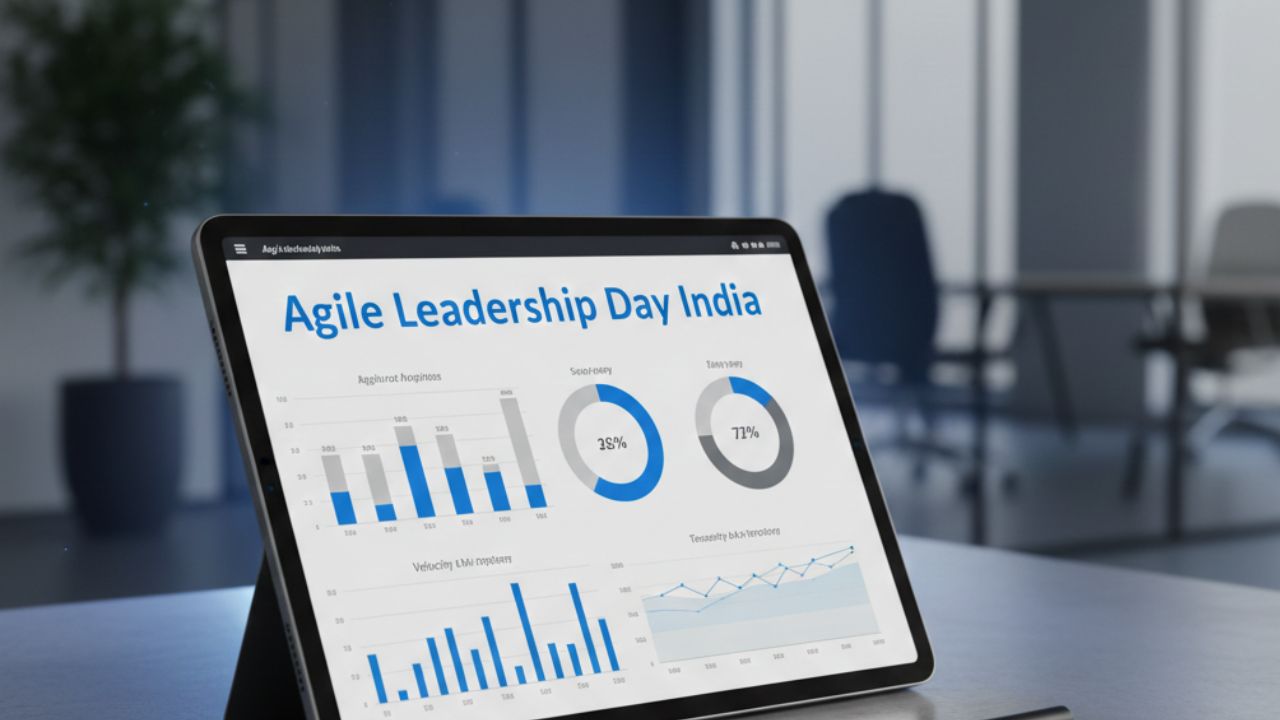
- Shift to Value Tracking: Move away from "presence tracking" to focus entirely on the quality and impact of work delivered.
- Trust Over Surveillance: Replace invasive monitoring with a trust-based leadership model that empowers distributed squads.
- Data-Driven Velocity: Use real-time data analytics to track team progress and align individual OKRs with organizational goals.
- Meritocratic Reviews: Combat proximity bias by using objective metrics to ensure fair performance evaluations regardless of physical location.
Introduction
The era of tracking badge swipes and "green lights" on chat apps is officially over. This deep dive into outcome based performance management hybrid teams is part of our extensive guide on Agile Leadership for Hybrid Workers.
To thrive in 2026, leaders must transition from "presence tracking" to "value tracking" using the latest leadership strategies. By focusing on what is actually achieved rather than how many hours are logged, organizations can unlock the full potential of their distributed workforce.
The "Outcome-First" Model in Hybrid Leadership
The outcome based performance management framework is built on the principle that location is irrelevant if the results are exceptional.
Transitioning from Surveillance to Results
Many managers struggle with "visibility anxiety," leading them to favor those in the office. To correct this, leaders must shift from surveillance-style monitoring to a meritocratic system.
This requires setting crystal-clear KPIs for distributed agile squads. When everyone knows exactly what "success" looks like, the need for micromanagement vanishes.
Aligning OKRs and Organizational Goals
Success in a remote environment depends on alignment. Every hybrid employee should understand how their daily tasks contribute to the company's bottom line.
Using tools that track distributed team velocity allows managers to see progress in real-time without interrupting the workflow. This data-driven approach ensures that individual effort translates directly into organizational value.
Best Practices for Hybrid Performance Reviews
Reviewing a remote or hybrid employee requires a different lens than traditional office reviews.
Continuous Feedback Cycles
Annual reviews are too slow for the 2026 workplace. Distributed teams should conduct regular, continuous feedback cycles to address issues before they escalate.
Addressing Underperformance Remotely
Handling underperformance in a remote environment requires radical transparency. Instead of focusing on "lost time," focus on the gap between the expected outcome and the actual result.
If communication is the root cause of the friction, it may be time to revisit your conflict resolution in distributed teams strategies to ensure the team is operating with a shared set of norms.
The Role of AI in 2026 Reviews
By 2026, AI plays a critical role in summarizing performance data. These tools can aggregate work output across various platforms, providing a holistic view of an employee’s contribution that is free from human bias.
Integrating Culture with Performance
High performance does not happen in a vacuum; it requires a strong foundation of trust and psychological safety.
While tracking results is paramount, don't forget that building hybrid team culture activities are essential for long-term retention. A team that feels connected will naturally work harder to achieve shared outcomes.

Frequently Asked Questions (FAQ)
Management should focus on the "Outcome-First" model, which prioritizes results and value creation over hours spent at a desk.
The most effective KPIs focus on project milestones, quality of deliverables, and team velocity rather than simple activity logs.
Leaders must embrace trust-based leadership and implement tools that provide real-time data analytics on work progress.
Proximity bias can cause managers to unfairly reward in-office employees. To combat this, use objective, data-driven metrics for all reviews.
Agile project management tools (like Jira or Monday.com) that provide clear dashboards on sprint progress are ideal for measuring velocity in a hybrid setup.
Conclusion
Adopting outcome based performance management hybrid teams is the only way to ensure fairness and productivity in the modern workplace. By stopping the clock and starting the conversation about value, you build a culture of high performance and high trust.
Sources & References
- Agile Leadership Day India: Managing Hybrid Teams Pillar Page.
- Internal Resource: Conflict Resolution in Distributed Teams.
- Internal Resource: Building Hybrid Team Culture Activities.
- Project Management Institute (PMI): Guide to Agile Performance Metrics.
- Gartner: The Future of Performance Management in Distributed Workforces.