Sam Altman Steps Down from Helion Board Amid Massive OpenAI Fusion Power Deal
Key Takeaways
- Strategic Recusal: OpenAI CEO Sam Altman has officially stepped down from the board of directors at Helion Energy to avoid conflicts of interest.
- The AI Power Play: OpenAI is in advanced talks to purchase massive amounts of electricity from Helion, targeting 5 gigawatts by 2030 and scaling to an unprecedented 50 gigawatts by 2035.
- Agile Governance: Altman's departure highlights the necessity of agile corporate governance when a leader's parallel ventures—AI development and clean energy generation—inevitably intersect.
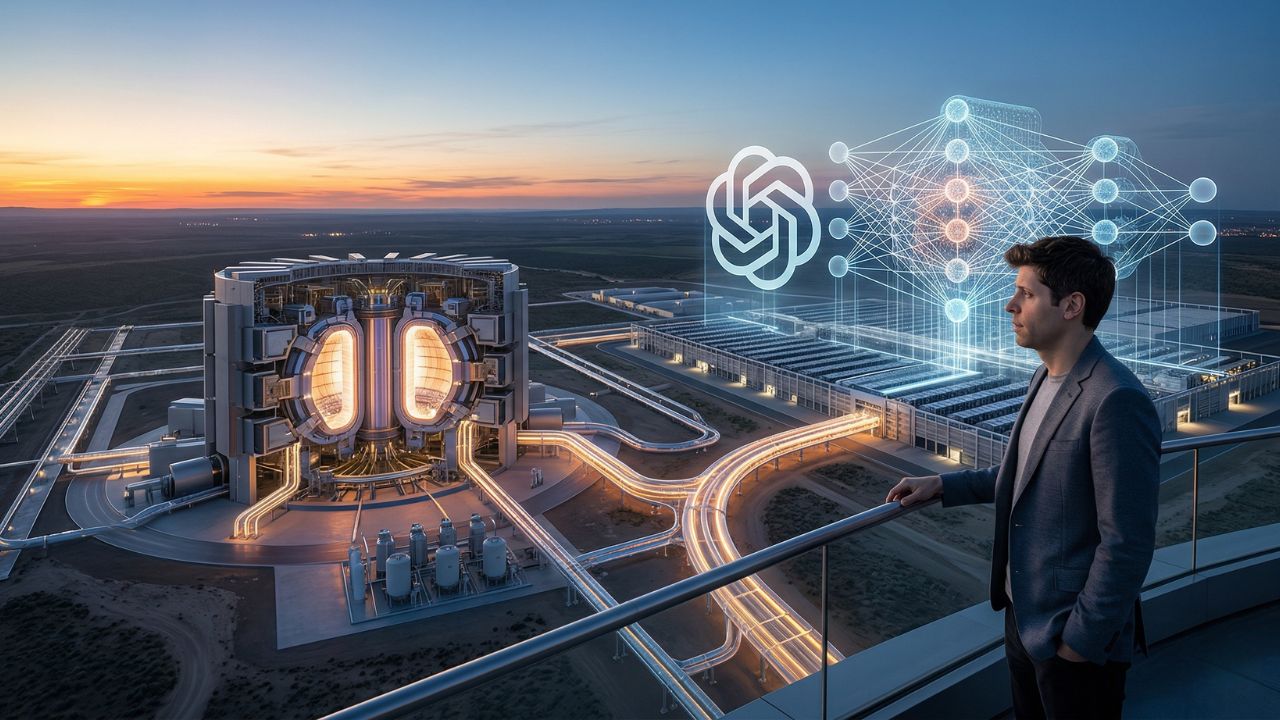
The explosive growth of generative artificial intelligence has created an unprecedented bottleneck: computational power requires massive, continuous, and clean energy. In a move that underscores how aggressively the tech sector is attempting to solve this crisis, OpenAI Chief Executive Sam Altman has officially stepped down from the board of directors of Helion Energy.
Altman has been a key backer and the board chair of the Washington-based nuclear fusion startup since 2015, playing an integral role in its strategic development over the past decade. However, this high-profile resignation is not a retreat; rather, it is a strategic maneuver driven by an impending, colossal business transaction.
The Conflict of Interest: OpenAI’s Thirst for Gigawatts
The catalyst for Altman's departure is an advanced, massive-scale negotiation between OpenAI and Helion. As OpenAI seeks to secure long-term energy supplies to feed its sprawling data centers and advanced models, the company is reportedly exploring an agreement to purchase a guaranteed portion of Helion’s future electricity production.
Initial talks suggest OpenAI aims to secure 12.5% of Helion's output. The scale of this proposed deal is staggering: discussions center around OpenAI receiving the equivalent of 5 gigawatts of fusion power by 2030, eventually scaling to a massive 50 gigawatts by 2035.
Serving on the board of the cutting-edge energy supplier while simultaneously leading the tech giant poised to purchase that energy presented a clear and untenable conflict of interest. By stepping down and fully recusing himself from the deal negotiations, Altman is practicing essential corporate governance. In a post on the social media platform X, Altman confirmed that while his board duties are over, he will maintain his financial interest in Helion.
Agile Leadership in the Era of AI and Clean Energy
For agile leaders and digital transformation executives, Altman's move provides a real-time case study in navigating the complexities of parallel innovation. The modern technology landscape requires leaders to make high-stakes bets on symbiotic industries. AI cannot scale without energy; clean energy requires the massive capital investment and guaranteed demand often sourced only from tech giants.
Helion CEO David Kirtley publicly acknowledged Altman's integral role and expressed optimism about working with him in this new, decoupled capacity. This shift allows both OpenAI and Helion to negotiate aggressively and transparently, ensuring that any resulting power purchase agreement is built on solid, ethically sound corporate foundations.
The Global Fusion Race Heats Up
Helion Energy, founded in 2013 by David Kirtley, John Slough, Chris Pihl, and George Votroubek, has raised over $1 billion in total funding. The company recently closed a $425 million Series F round in January 2025, valuing it at $5.4 billion. Its unique approach to fusion—utilizing a pulsed, non-ignition device that directly converts plasma energy into electricity—is highly anticipated.
The potential OpenAI deal highlights a broader trend where tech behemoths—including Microsoft, Google, and Amazon—are securing unprecedented, long-term deals with nuclear and fusion companies to power the future of artificial intelligence. Microsoft had already established a precedent by signing a prior power purchase agreement with Helion.
As AI applications scale across enterprises, the true constraint is no longer software engineering—it is the physical infrastructure and the power grid required to sustain it. Altman's strategic step back from Helion is a clear signal that the AI energy race is entering its most critical phase yet.
Frequently Asked Questions
Sam Altman stepped down from Helion's board to avoid a conflict of interest, as OpenAI is currently in advanced discussions to purchase a significant amount of electricity from the fusion startup.
OpenAI is negotiating to secure a guaranteed portion of Helion's production (initially 12.5%), aiming for the equivalent of 5 gigawatts by 2030 and scaling up to an unprecedented 50 gigawatts by 2035.
Yes. While Altman has resigned from the board of directors and recused himself from any power deal negotiations with OpenAI, he will maintain his substantial financial interest in Helion.
Following a $425 million Series F funding round that closed in January 2025, Helion Energy is valued at approximately $5.4 billion.
About the Author: Sanjay Saini
Sanjay Saini is an Enterprise AI Strategy Director specializing in digital transformation and AI ROI models. He covers high-stakes news at the intersection of leadership and sovereign AI infrastructure.
Connect on LinkedIn