United & American Airlines Merger Rejected: The Hidden IT & GCC Impact
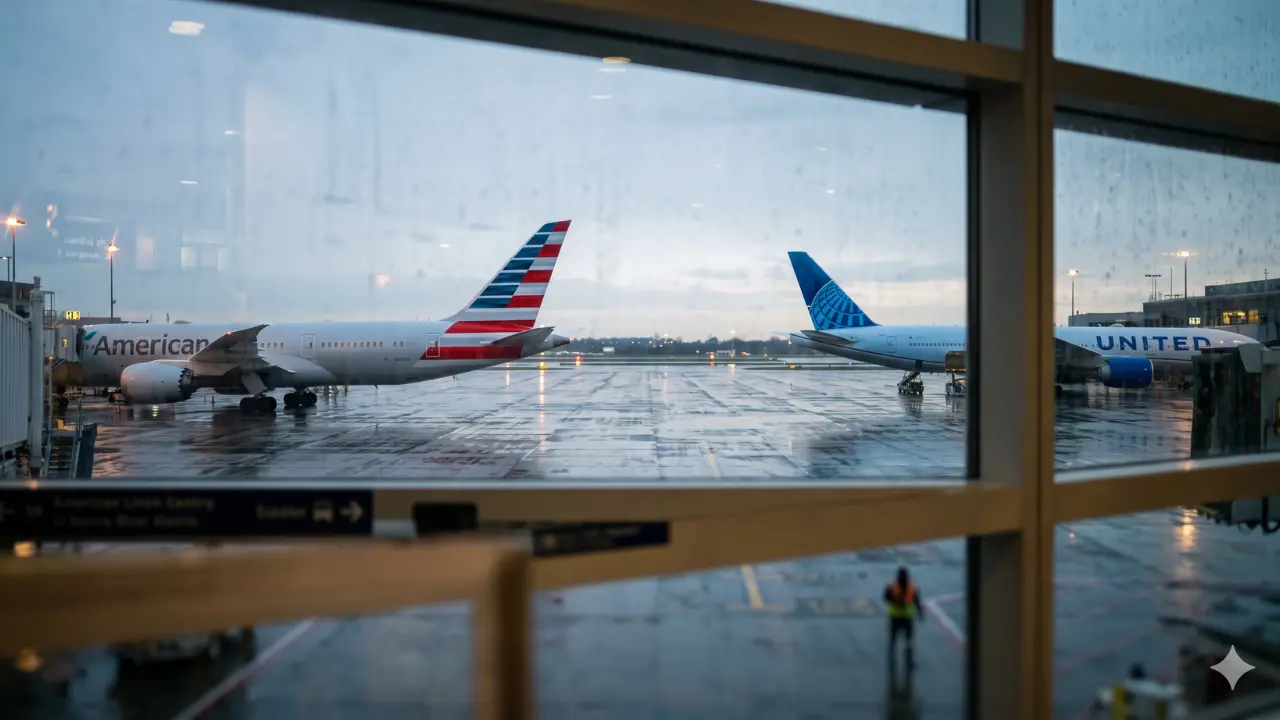
On April 17, 2026, American Airlines formally and categorically dismissed a blockbuster merger proposal from United Airlines. The tie-up, originally pitched by United CEO Scott Kirby to the Trump administration in February, would have combined the world's two largest carriers into an unprecedented aviation monopoly. The resulting corporate behemoth would have boasted a fleet exceeding 3,200 aircraft, effectively controlling nearly 40% of the entire U.S. domestic aviation market.
In a public statement, American Airlines firmly shut the door, stating that such a combination would be "negative for competition and for consumers," and wholly inconsistent with current antitrust philosophies. By distancing itself from United's pitch, American—which operates over 6,000 daily flights and holds an $8.44 billion market cap—aims to reassure regulators and prioritize its independent strategic objectives.
United Airlines has so far declined to comment on the rejection. While analysts labeled the proposal as "absurd" due to the intense market concentration it would create, the fallout extends far beyond ticket prices and flight routes. For enterprise tech leaders, the collapse of this mega-merger highlights the paralyzing infrastructural risks and massive operational liabilities associated with combining the legacy technical architecture of two aviation giants.
Untangling the Mainframe: The Hidden Technical Debt of Aviation Consolidations
When massive airlines attempt to merge, the true battleground isn't the tarmac; it is the data center. Combining entities like United and American requires software architects to reconcile decades of deeply entrenched, monolithic IT systems. From passenger service systems (PSS) to crew scheduling algorithms and global distribution APIs, the sheer volume of legacy technical debt creates a high-risk environment for massive data fragmentation and system outages.
For developers and systems engineers, this level of enterprise integration demands grueling, multi-year Agile cycles. Airline IT infrastructures operate on razor-thin latency margins, where a single API failure can ground thousands of flights globally. Migrating fragmented, on-premise mainframes to a unified, cloud-native architecture forces engineering teams to abandon feature development in favor of critical survival operations, data harmonization, and endless QA loops.
Furthermore, integrating disparate loyalty databases and ticketing pipelines exposes massive cybersecurity vulnerabilities. Engineering leadership is forced to navigate incompatible zero-trust architectures and overlapping microservices, often breaking live production environments in the process. The rejection of this merger spares enterprise architects from executing one of the most volatile, compliance-heavy, and expensive database migrations in modern corporate history.
Antitrust Scrutiny and the Threat to GCC Arbitrage
For the C-Suite, United’s rejected pitch is a stark reminder of the regulatory walls closing in on enterprise monopolies. A merger of this magnitude triggers grueling antitrust investigations, bleeding corporate resources and freezing CapEx budgets. As executives redirect funding toward legal defenses and compliance audits, crucial enterprise investments in digital transformation, generative AI workflows, and API infrastructure inevitably stall out.
This operational freeze carries brutal downstream effects for Global Capability Centers (GCCs), particularly in India. Major U.S. airlines rely heavily on Indian GCCs for software engineering, FinOps, and back-office IT support. A United-American merger would trigger ruthless vendor rationalization, leading to the immediate consolidation of offshore tech hubs and widespread layoffs of redundant developer talent as the new entity seeks ruthless economies of scale.
Ultimately, the collapse of this deal protects the current tech outsourcing ecosystem from a massive, unpredictable shockwave. However, it signals to CTOs and GCC leaders that reliance on single-vendor mega-contracts is a dangerous game. To avoid the financial fallout of legacy system consolidations, leaders must evaluate the Cost of Agentic Mainframe Modernization: Why 2026 is the Year to Kill Technical Debt before technical debt paralyzes their offshore operations.
Frequently Asked Questions
American Airlines rejected the proposal on April 17, 2026, stating that the merger would be "negative for competition and for consumers" and violate antitrust principles. The airline explicitly emphasized its commitment to executing its independent strategic goals rather than engaging in anti-competitive consolidation.
A merger would have created the world's largest carrier, resulting in a combined fleet of over 3,200 aircraft. The new entity would control nearly 40% of the U.S. domestic market, dwarfing the next-largest competitor and inviting intense regulatory pushback.
Airline mergers force massive, high-risk migrations of legacy IT systems, databases, and APIs, halting new feature development. This consolidation often leads to aggressive vendor rationalization, which can severely disrupt Global Capability Centers (GCCs) through sudden budget cuts and the elimination of redundant engineering talent.