How to Build Team Rituals with Digital Teammates: Why Your AI Bots Need a "Work Identity"
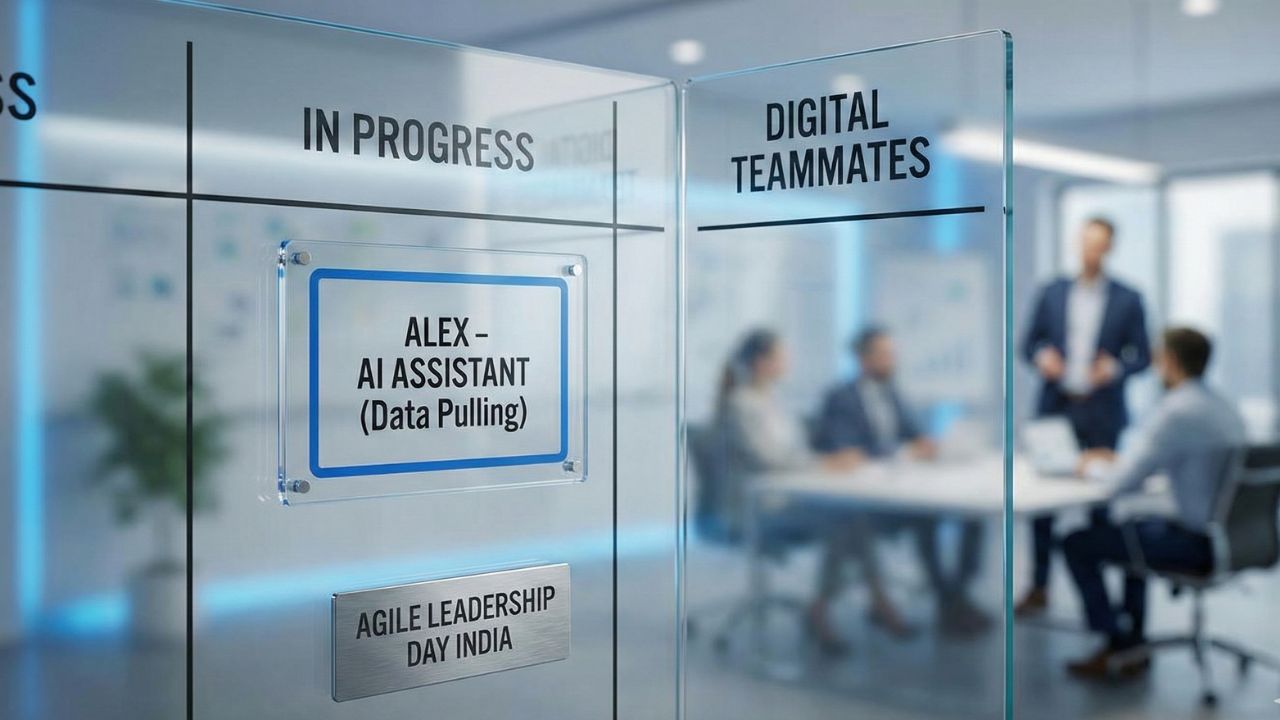
- Humanizing your AI by giving bots a specific "Work Identity" dramatically reduces team friction.
- Routine integration of digital coworkers helps bridge the distance gap in hybrid environments.
- Psychological safety increases when employees stop seeing AI as a threat and start treating it as a collaborator.
- Structured team rituals are the fastest way to normalize human-agent workflows in 2026.
To truly humanize your bots and boost psychological safety in 2026, you must understand exactly how to build team rituals with digital teammates.
When AI agents lack a clear work identity, employees treat them with suspicion, leading to poor adoption and isolated workflows.
This deep dive is part of our extensive guide on Psychological Safety and Digital Coworkers: Why Your AI Strategy Fails Without Human Trust.
By assigning a persona to your digital teammates, you seamlessly bridge the distance gap in modern work environments. Let’s explore actionable strategies to weave autonomous bots into the daily cultural fabric of your organization.
The Psychology of a "Work Identity"
Creating a work identity for a bot isn't just a quirky tech trend; it is a fundamental pillar of change management.
When an AI has a name, a specific role, and predictable behaviors, human employees can mentally categorize it as a peer rather than a replacement.
This simple psychological shift is incredibly effective for managing ai anxiety in middle management.
It transforms the unknown "AI algorithm" into "Alex, the data-pulling assistant."
Bridging the Distance Gap
In remote and hybrid teams, digital coworkers can actually foster stronger human connections.
- Shared Context: Bots that summarize meetings create a shared baseline of knowledge.
- Neutral Mediators: AI agents can neutrally flag bottlenecks without the emotional weight of human confrontation.
- Consistent Presence: Digital teammates act as a continuous connective tissue across different time zones.
Integrating Bots into Daily Operations
Rituals dictate company culture. To normalize your AI agents, you must deliberately include them in your existing daily and weekly cadences.
When you embed bots into your operational rituals, you also create an environment that naturally supports gen z retention strategies in ai first workplaces.
Younger generations expect this seamless human-agent integration.
The AI Scrum Standup
A daily standup is the perfect place to build team rituals with your digital teammates.
- The Bot Update: Have the AI agent auto-generate a 3-bullet summary of its overnight batch processing.
- Human-Agent Handoffs: Clearly state during the meeting which human is taking over a task from the bot today.
- Feedback Loops: Dedicate one minute to discuss if the bot's outputs were accurate the previous day.

Frequently Asked Questions (FAQ)
Yes, AI agents can participate by facilitating icebreakers, generating trivia based on company history, or summarizing team achievements.
Configure your bot to auto-post its task progress, overnight completions, and blocked items into your team's communication channel before the standup begins.
These are collaborative exercises where human teams must work alongside an AI agent to solve a puzzle, brainstorm ideas, or complete a simulated project.
Assign the bot a clear job title, a specific operating scope, a consistent communication tone, and a functional name that reflects its department.
Yes, by normalizing the bot's presence as a helpful peer with strict limitations, team rituals directly reduce the fear of human job displacement.
Set clear rules about when bots are allowed to ping human employees, ensuring asynchronous communication doesn't interrupt human downtime.
It is the practice of using AI to summarize, translate, and contextualize team communications so that employees in different time zones feel equally included.
You can use sentiment-analysis bots to anonymously poll the team's stress levels and aggregate an "emotional weather report" for managers.
Yes, AI can provide neutral prompts and data points that encourage open, improvisational, and psychologically safe brainstorming sessions.
The best tools deeply integrate conversational AI with collaborative workspaces, utilizing automated prompts, sentiment trackers, and digital whiteboards.
Conclusion
Embracing the future of work means acknowledging that your team is no longer entirely human.
Learning how to build team rituals with digital teammates is the key to unlocking peak hybrid productivity.
By giving your AI bots a work identity, establishing clear operational boundaries, and including them in daily cadences, you build a resilient, trusting, and highly efficient 2026 workforce.
Sources & References
- Internal: Psychological Safety and Digital Coworkers: Why Your AI Strategy Fails Without Human Trust.
- Internal: managing ai anxiety in middle management
- Internal: gen z retention strategies in ai first workplaces
- Harvard Business Review: The Psychology of Human-AI Collaboration (2025)
- MIT Sloan Management Review: Integrating Digital Teammates into Agile Workflows (2025)