ISO 42001 Certification ROI: Is the Gold Standard Worth the High CapEx?
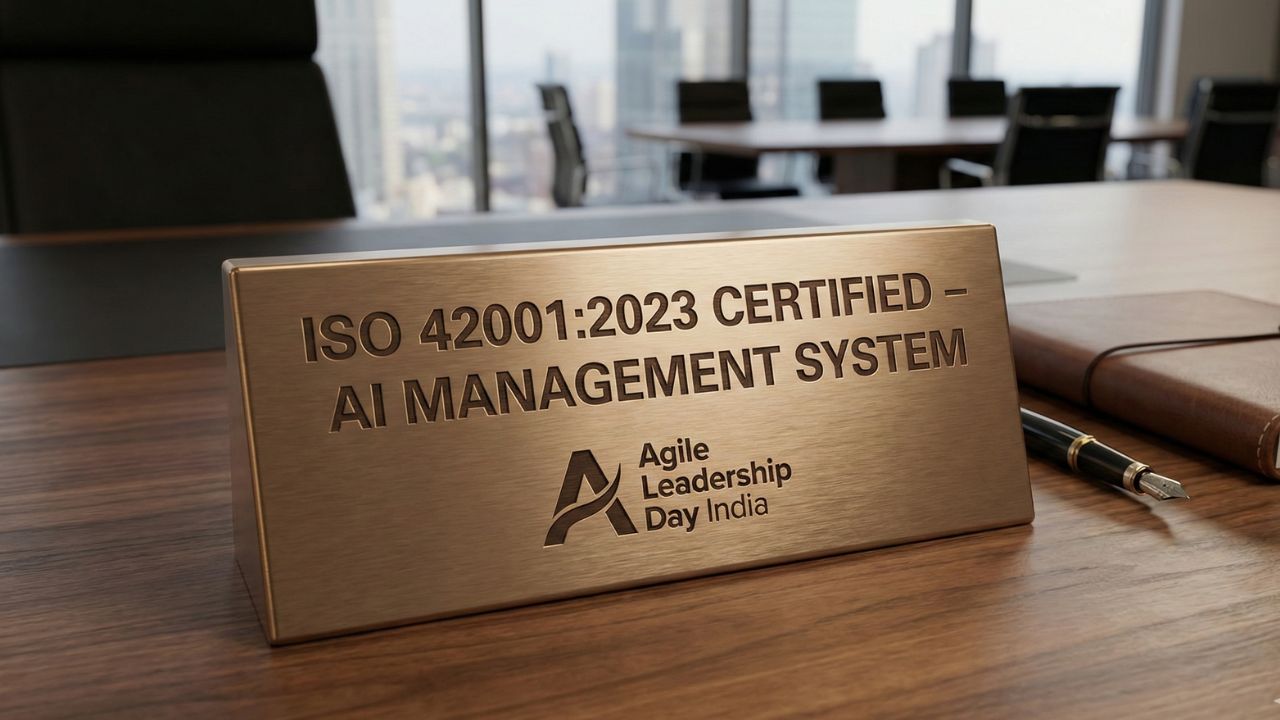
- Calculating your ISO 42001 certification ROI is crucial for justifying the high upfront capital expenditure.
- It establishes a robust Artificial Intelligence Management System (AIMS) that mitigates legal and operational risks.
- Certification serves as a powerful B2B trust signal, accelerating enterprise procurement cycles.
- Achieving this international AI management standard significantly streamlines overlapping global regulatory audits.
Calculating the exact ISO 42001 certification ROI is a top priority for enterprise leaders facing mounting compliance costs.
As global scrutiny tightens, proving that your automated systems are safe requires more than just internal policy documents.
This deep dive is part of our extensive guide on Global AI Governance 2026.
We will examine whether adopting this international standard acts as the definitive 2026 benchmark for trustworthy AI, and if it justifies the necessary capital expenditure.
Let's break down the tangible financial and operational returns of investing in the gold standard for AI management.
The Business Case for an AI Management System
Implementing an Artificial Intelligence Management System (AIMS) requires a significant upfront investment in time, software, and personnel.
However, the cost of an unmitigated algorithmic failure often dwarfs this initial CapEx.
By standardizing your AI quality assurance protocols, you proactively shield your organization from catastrophic regulatory fines.
This is heavily tied to reducing overall liability.
Furthermore, having an auditable framework drastically simplifies overlapping legal requirements.
For instance, obtaining this certification provides a massive head start for EU AI Act compliance for US firms.
Accelerating Enterprise Procurement
One of the most immediate returns on investment is the impact on B2B sales cycles.
Enterprise buyers are increasingly hesitant to integrate third-party AI without concrete proof of safety.
ISO 42001 acts as an undeniable B2B trust signal, allowing your sales team to bypass months of grueling vendor security assessments.
Key Financial Benefits Include:
- Faster Deal Closures: Pre-emptively satisfying client security questionnaires.
- Premium Pricing: Positioning your product as a de-risked, enterprise-grade solution.
- Reduced Insurance Premiums: Proving to underwriters that you have active risk management controls.
Integrating with Existing Security Frameworks
Many organizations wonder if they need ISO certification if they already utilize a domestic framework.
While following a NIST AI RMF implementation guide builds a strong foundation, it lacks the formal, globally recognized certification mechanism that ISO provides.
ISO 42001 mandates continuous monitoring and strict data quality standards, transforming AI governance from a one-time project into an ongoing operational discipline.
Ultimately, the high CapEx is offset by the creation of a resilient, globally compliant, and highly marketable technology stack.

Frequently Asked Questions (FAQ)
It is the world's first international standard specifying the requirements for establishing, implementing, and continually improving an AI management system.
Depending on your organization's size and existing maturity, the journey from gap analysis to final certification typically takes between 6 to 12 months.
Costs vary based on complexity, but organizations must budget for readiness assessments, consultant fees, required software, and the formal external audit.
While NIST provides flexible, voluntary guidelines for risk management, ISO 42001 offers a formal, globally recognized, and auditable certification process.
Yes, aligning with this international AI management standard creates the necessary documentation and risk controls to heavily streamline EU regulatory compliance.
For startups, it serves as a massive competitive differentiator, proving enterprise-grade maturity and accelerating trust with cautious enterprise buyers.
You must designate an independent internal team or hire external consultants to evaluate your AIMS against the standard's specific clauses before the formal audit.
It is a mandatory document that details exactly which ISO controls are applied within your organization and justifies any exclusions.
Organizations must deploy role-specific training programs focusing on continuous monitoring, ethical AI usage, and strict data quality protocols.
The ROI is measured through shortened enterprise sales cycles, increased win rates against non-certified competitors, and reduced friction in vendor onboarding.
Conclusion
Securing an independent validation of your autonomous systems is no longer a luxury; it is a critical business imperative.
While the initial CapEx may seem steep, calculating your long-term ISO 42001 certification ROI reveals massive financial upsides.
By adopting this global standard, you turn compliance from a cost center into a powerful engine for enterprise sales and market dominance.
Would you like me to generate a tailored readiness checklist to help you estimate the specific timeline and cost for your organization's ISO 42001 audit?
Sources & References:
- Content Hub Map Document: Global AI Governance Compliance Guide
- Internal Resource: EU AI Act compliance for US firms
- Internal Resource: NIST AI RMF implementation guide
- External Reference: International Organization for Standardization (ISO) - ISO/IEC 42001:2023.
- External Reference: BSI Group - AI Management Systems and Trust in the Autonomous Age.