Sovereign AI Hosting: Why Your Mumbai vs Hyderabad Cloud Choice Could Cost Millions in Fines
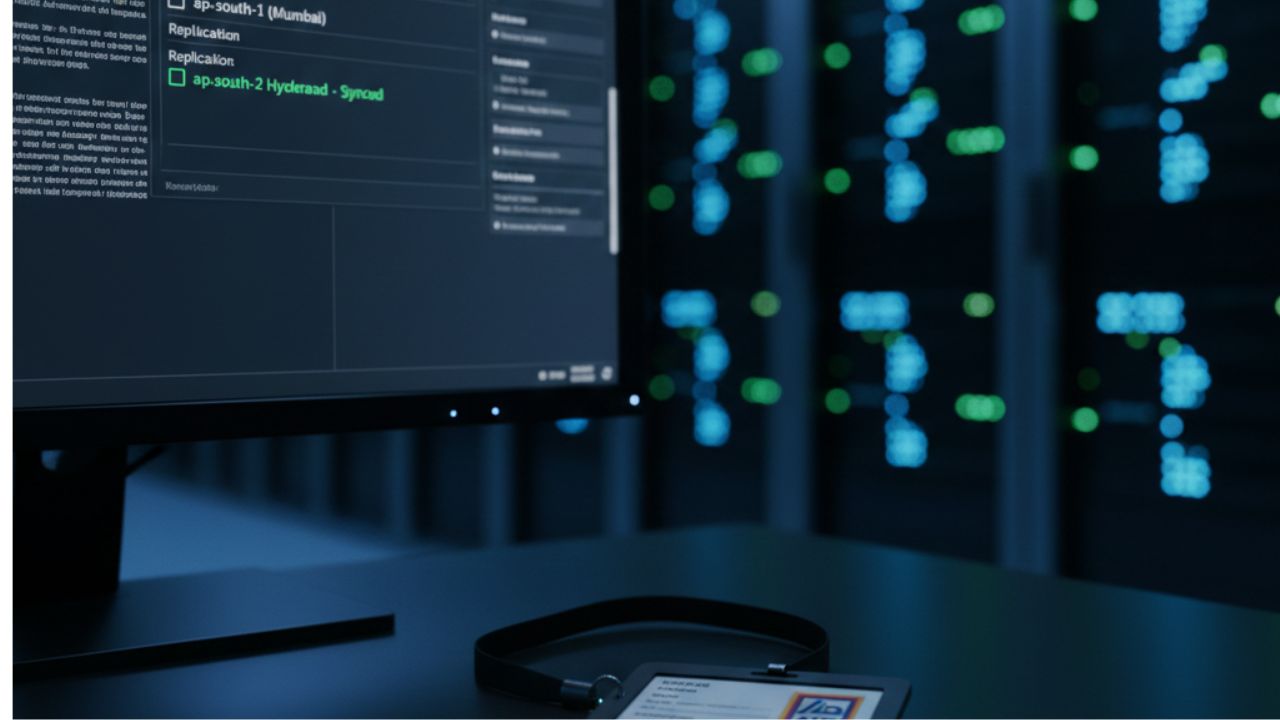
- Data Residency is Non-Negotiable: Under the DPDP Act 2023, processing PII within Indian borders is the only "fail-safe" for Significant Data Fiduciaries.
- Mumbai (ap-south-1): Offers the lowest latency for legacy infrastructure and mature availability zones.
- Hyderabad (ap-south-2): Often preferred for disaster recovery (DR) and specific sovereign compute capacity requirements.
- Configuration Matters: Simply "being in India" isn't enough; you must force AI inference workloads to stay within local boundaries.
Introduction
Choosing the right infrastructure for your AI agents is no longer just a performance decision—it is a legal mandate. This deep dive is part of our extensive guide on The DPDP Act & AI: Operationalizing Compliance for Indian Enterprise.
To avoid the "Negative List" of restricted territories, Global Capability Centers (GCCs) must master Sovereign AI hosting India Central Mumbai vs Hyderabad to ensure every token processed stays within the Republic of India.
The Infrastructure Dilemma: Mumbai vs. Hyderabad
When configuring AWS or Azure for DPDP residency, the choice between ap-south-1 (Mumbai) and ap-south-2 (Hyderabad) determines your compliance posture.
Mumbai: The Established Hub
Mumbai remains the primary choice for most AI inference workloads due to its massive sovereign compute capacity and proximity to major financial exchanges.
It offers three distinct availability zones, providing high resiliency for mission-critical AI.
Hyderabad: The Emerging Sovereign Cloud
Hyderabad is rapidly becoming the go-to for sovereign cloud regions for Indian AI that require strict isolation.
For organizations implementing automated DPDP compliance monitoring, Hyderabad often serves as the secondary site for geo-redundant, compliant data storage.
How to Force Cloud Providers to Respect Data Residency
It is a common misconception that cloud providers handle residency automatically. You must take technical steps to ensure Indian data residency.
1. Pinning AI Inference to India Central
When using services like AWS Bedrock or Azure OpenAI, you must explicitly set the region to Mumbai or Hyderabad.
Failure to do so may route your data to US-East (N. Virginia) for "load balancing," which violates the DPDP Act’s purpose limitation clauses.
2. Egress Filtering and Blacklisted Regions
Configure your Virtual Private Cloud (VPC) with strict egress rules. Your data sovereignty framework should automatically block any API calls to nations identified on the Ministry’s "Negative List".
Pro Tip: Integrate these checks into your global compliance mapping to ensure your cross-border data transfer rules satisfy both India and the EU.
Ensure originality and avoid plagiarism with Pangram. The AI detection that actually works. Try it for free.

We may earn a commission if you buy through this link. (This does not increase the price for you)
Frequently Asked Questions (FAQ)
Mumbai (ap-south-1) generally offers the lowest latency and most mature service offerings for AI models.
You must utilize IAM policies to restrict bedrock:InvokeModel permissions to the ap-south-1 region only, preventing the SDK from defaulting to global endpoints.
Hyderabad (ap-south-2) provides an excellent disaster recovery site that remains within Indian legal jurisdiction, ensuring compliance during a primary site failure.
Technically yes, provided the country is not blacklisted; however, for Significant Data Fiduciaries, the risk of "Purpose Creep" makes India-based hosting the safer bet.
Ensure your Resource Group is anchored to "India Central" and that "Data Out" movement is restricted via Azure Policy to prevent cross-border leakage.
Conclusion
Selecting between Sovereign AI hosting India Central Mumbai vs Hyderabad is the first line of defense in your 2026 compliance strategy.
By anchoring your AI workloads to local Availability Zones and enforcing strict residency via Policy-as-Code, you protect your organization from catastrophic regulatory fallout.